
Hydrocephalus Blog & Resources
Podcast: The Search for the Silver Lining: Melissa & Abagail’s Hydrocephalus Story
Melissa joins the podcast to share Abagail’s hydrocephalus journey, reflecting on resilience, advocacy, and finding laughter along the way.
Podcast: Helping Children with Hydrocephalus Thrive with Neuropsychologist Dr. Jennifer Queally
In our podcast, neuropsychologist Dr. Jennifer Queally shares how hydrocephalus impacts learning and offers strategies for kids to thrive.
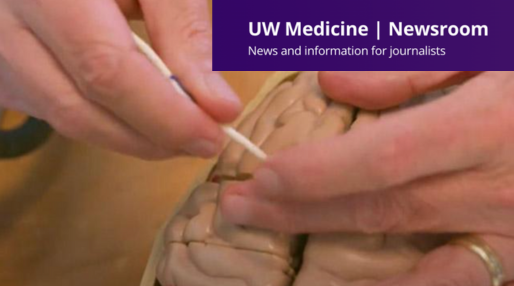
Older adults with hydrocephalus benefit from shunt surgery
A treatment trial improved gait speed, cognition and bladder control in older patients with the brain-fluid condition.

Brain shunt surgery improves walking and quality of life in older adults with hydrocephalus
Implanting a brain shunt in older people diagnosed with idiopathic normal pressure hydrocephalus (iNPH) is effective in improving their symptoms, a randomized, double-blinded, multi-center patient trial shows.
Shunt Surgery Improves Outcomes for Older Adults with Hydrocephalus
A groundbreaking randomized, double-blinded, multi-center clinical trial has provided compelling evidence supporting the effectiveness of brain shunt implantation in elderly patients diagnosed with idiopathic normal pressure hydrocephalus (iNPH).
Landmark Study Confirms Treatment for a Condition that Causes Dementia in Seniors
A landmark international study funded by the NIH and led by Johns Hopkins University and the Adult Hydrocephalus Clinical Research Network has confirmed that shunt surgery is a safe and effective treatment for idiopathic normal pressure hydrocephalus (iNPH), a condition that causes dementia-like symptoms in older adults. Published in The New England Journal of Medicine, the PENS Trial ends decades of debate by showing that shunt surgery significantly improves walking, balance, and independence in seniors living with iNPH. With nearly one million Americans potentially affected, these findings offer new hope for early diagnosis, treatment, and restored quality of life.
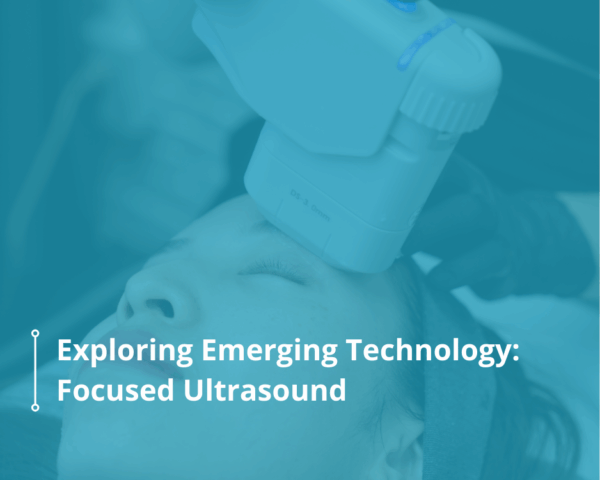
Exploring Emerging Technology in Focused Ultrasound
One promising innovation is focused ultrasound—a technique that uses sound waves to precisely target areas of the brain.

The Hydrocephalus Scoop on Capitol Hill — August 2025
Members of Congress have returned from August recess…and there’s a lot of work to do! Here’s where things stand.

Raising Awareness on World Hydrocephalus Day
On September 20, the global community is coming together to celebrate World Hydrocephalus Day in support of those living with this often-misunderstood condition.
Podcast: Understanding Hydrocephalus: A Conversation with Pediatric Neurosurgeon Dr. Ramin Eskandari
This podcast explores hydrocephalus, treatment options, warning signs, and expert advice from Dr. Ramin Eskandari to guide patients and families.
Podcast: Faith, Family, and Fight: Crystal & Natalie’s Story of Resilience
In this podcast episode, Crystal shares her journey of faith and resilience as she navigates hydrocephalus, cerebral palsy, epilepsy, and autism with her daughter.
Podcast: We Just One-Daying It: Miya + Mila’s Hydrocephalus Story
In our first podcast episode, Miya shares her raw, powerful journey of raising a child with hydrocephalus and cerebral palsy—through crisis and beyond.