
Diagnosed at 18
Courtney
Story Written by Self
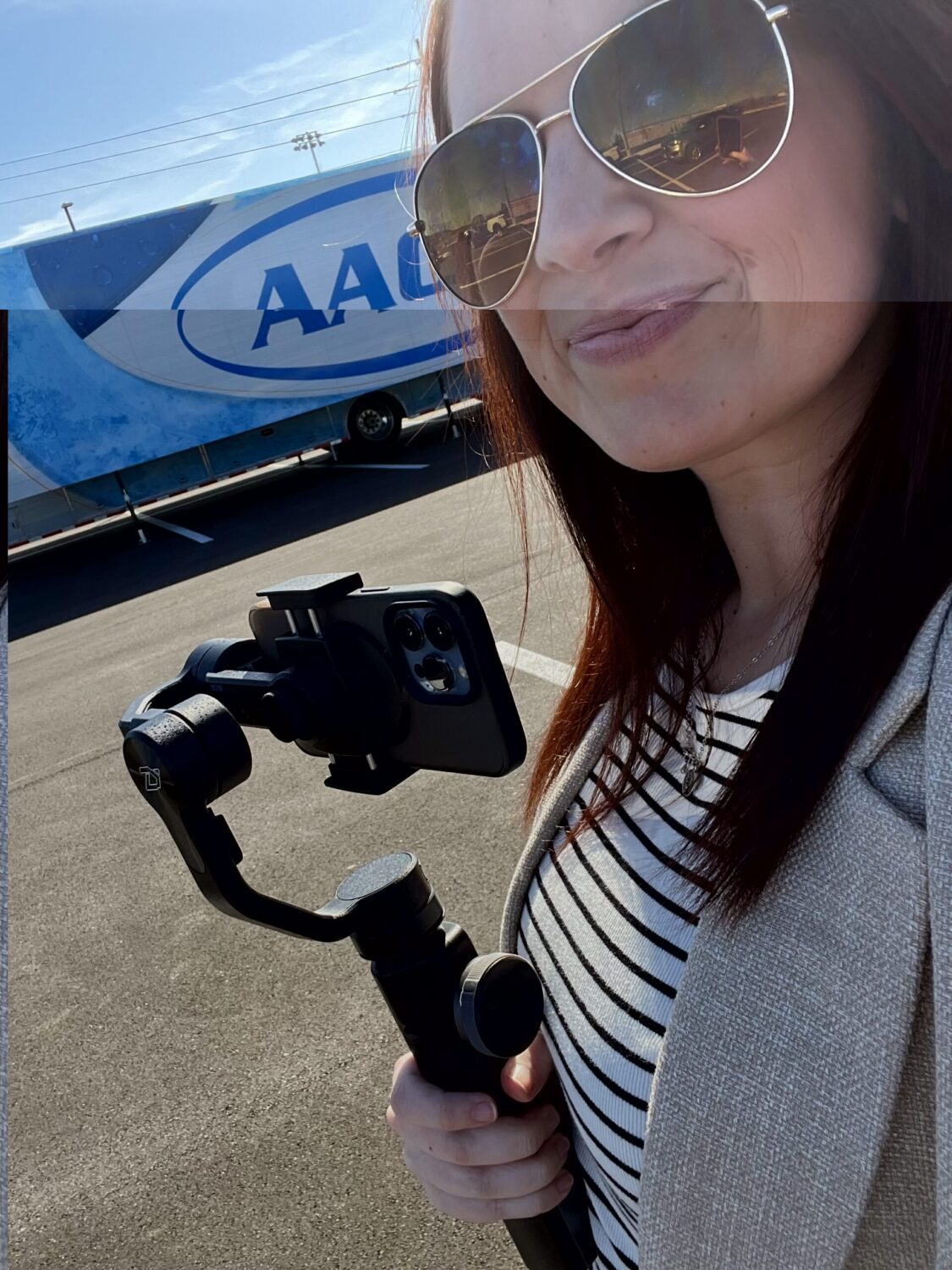
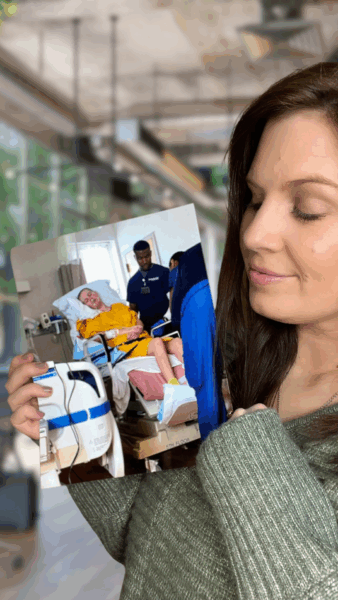 My name is Courtney, but many know me as CT. I’m 31 years old, a proud mom, a wife, and someone living with acquired hydrocephalus.
My hydrocephalus was the result of a traumatic brain injury (TBI) I sustained during my teenage years. At first, the symptoms were subtle—migraines, dizziness, pins and needles sensations, and moments where I couldn’t wake up, especially during my pregnancy. I chalked it up to hormonal changes and the stress of becoming a young mother.
But three months after giving birth to my son, those symptoms hadn’t gone away. In fact, they were worse. I went in for a CT scan—expecting some answers. I never anticipated what would come next.
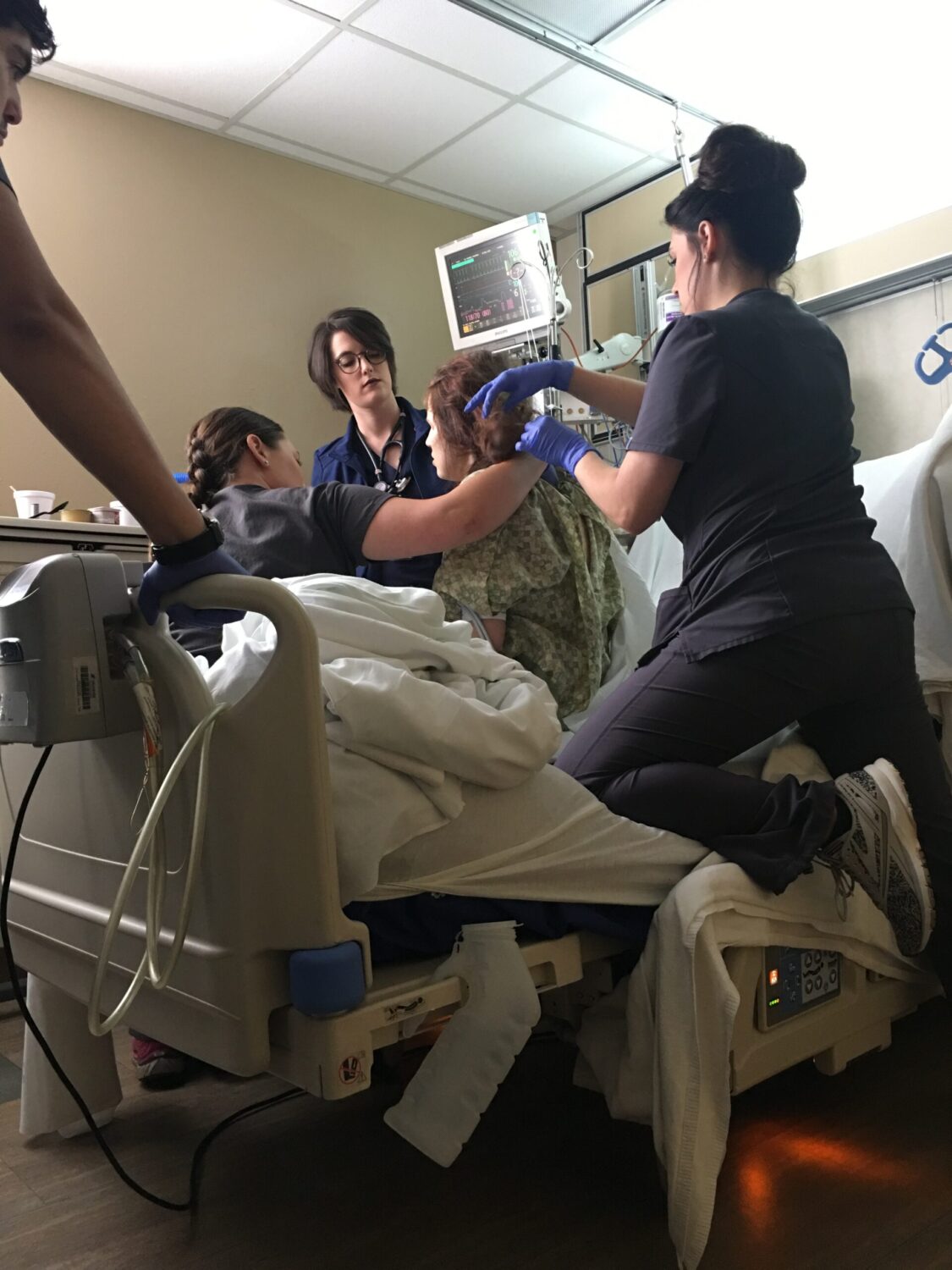
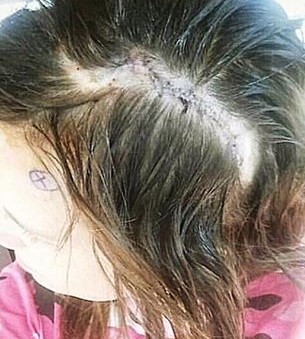
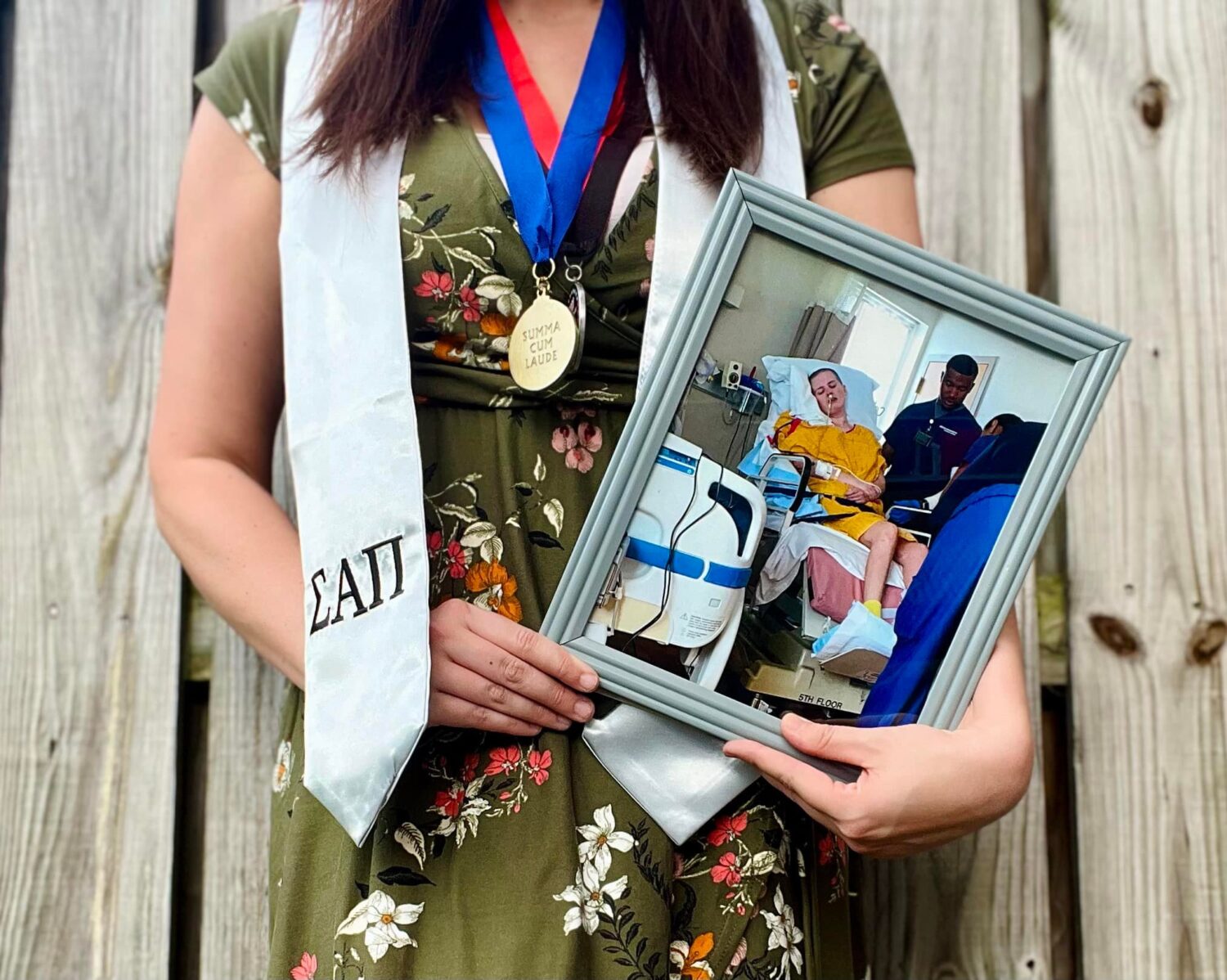
That same day, I was diagnosed with acquired hydrocephalus caused by a blockage from my earlier brain injury. I was rushed into emergency brain surgery to have a ventriculoperitoneal (VP) shunt placed. A follow-up MRI also revealed Chiari Malformation Type 1. I was just 18 years old, terrified, and trying to figure out how to raise a newborn while recovering from brain surgery.
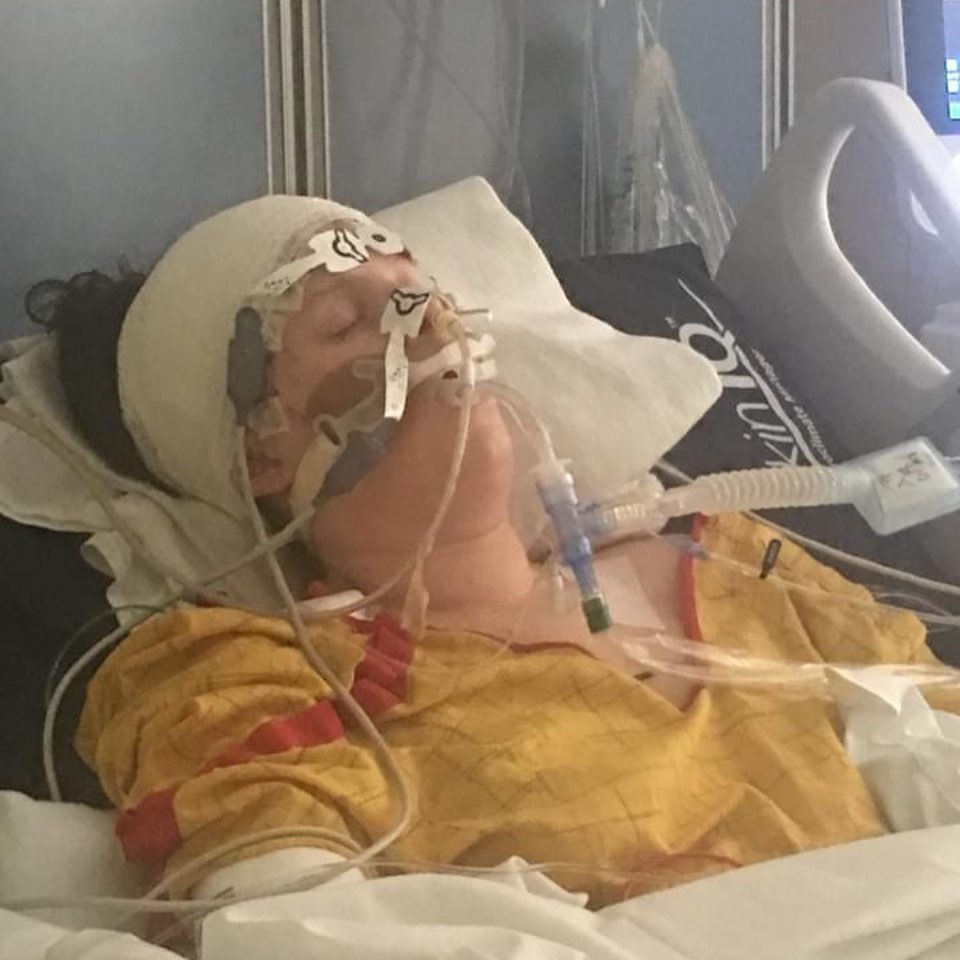
Since that day, I’ve undergone seven shunt revisions. Unfortunately, I’ve learned that I cannot live without a shunt. The moment mine malfunctions, my body declines rapidly. Every revision has come with setbacks, but they’ve also made me stronger and more determined to share my story.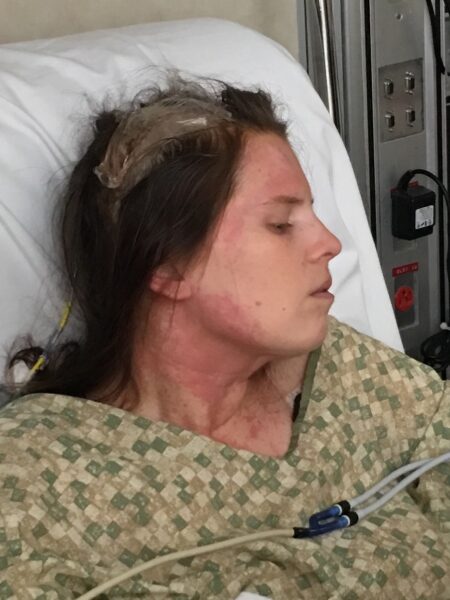
One of the hardest turning points came when my depth perception became slightly off due to subtle symptoms I didn’t immediately recognize. I accidentally hit my head directly where my shunt was placed, which led to another brain bleed, a second TBI, and a new diagnosis of epilepsy, in particular, partial complex seizures. That episode served as a painful reminder of how essential my shunt is to my daily survival.
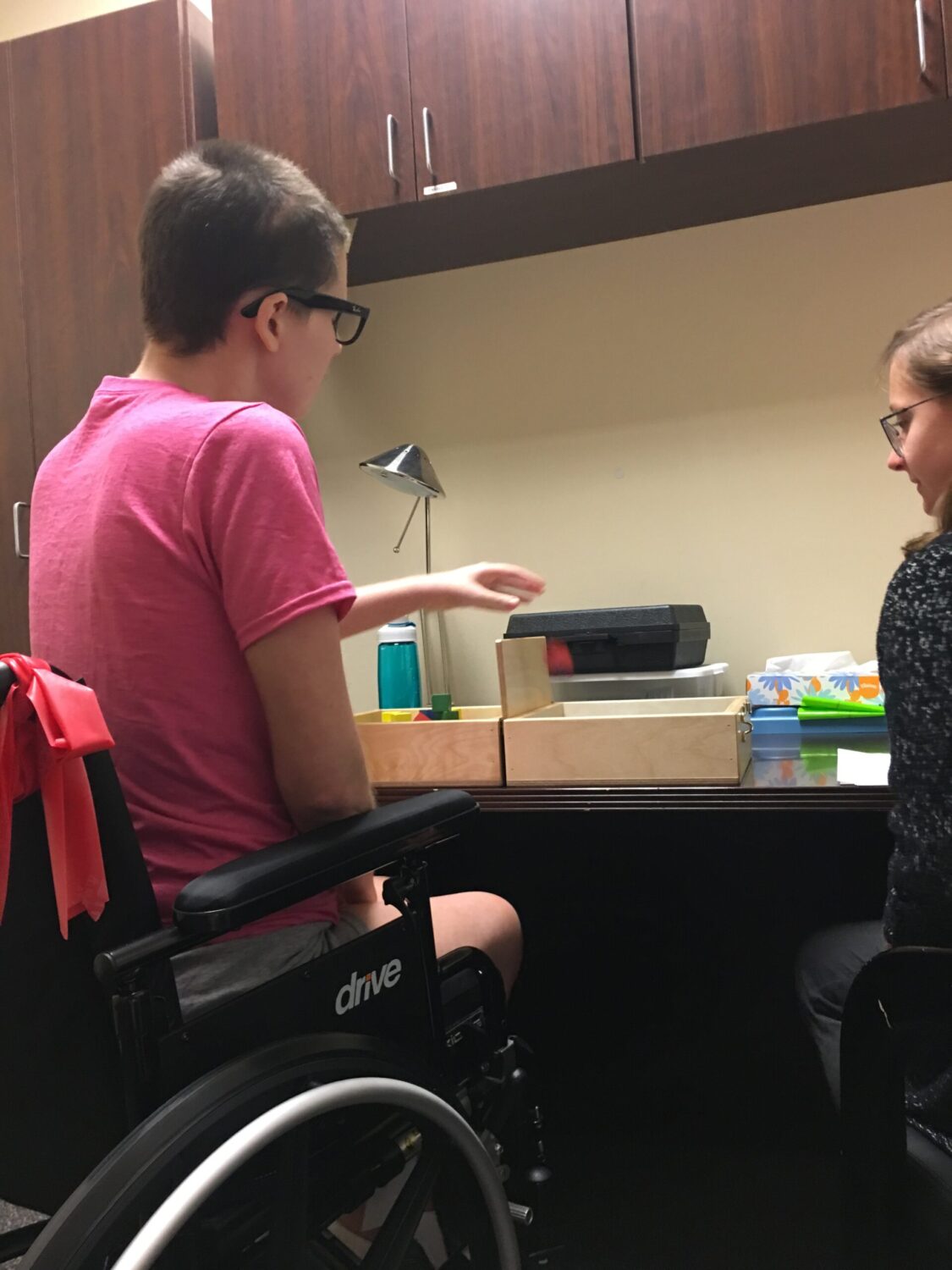
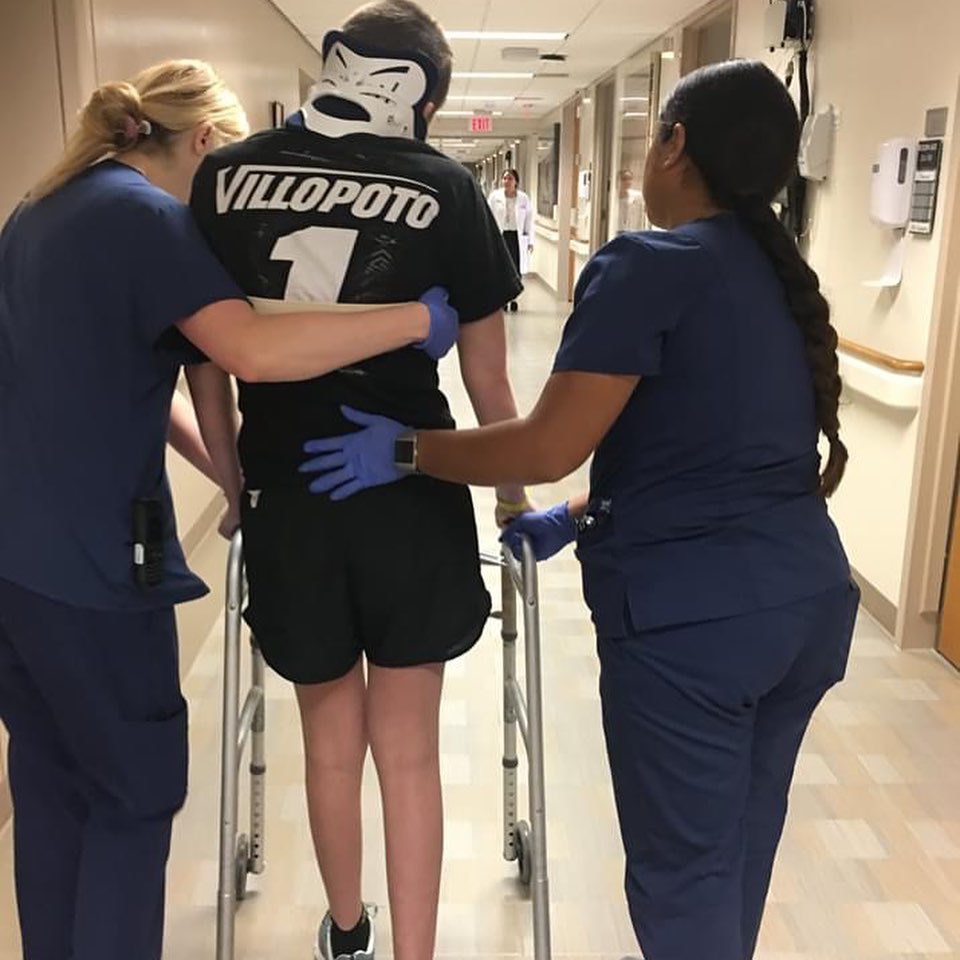
In 2019, following another round of surgeries, I ended up in a wheelchair and had to relearn how to walk. I was placed on disability, and for a while, I felt lost. But it was during that time that I gained something else: perspective.
Living with hydrocephalus has given me a deep sense of humility and empathy. I’ve learned that just because someone’s illness is invisible doesn’t mean their struggle isn’t real. I wish more people understood that what works for one person may not work for another—and that’s okay. There’s no one-size-fits-all solution when it comes to health, healing, or hope.
I’ve now been seizure-free for six years, but I still live with symptoms and check in regularly with my neurology team. Recovery and stability have come through trial, error, and the slow healing of my brain. Every step forward has been earned.
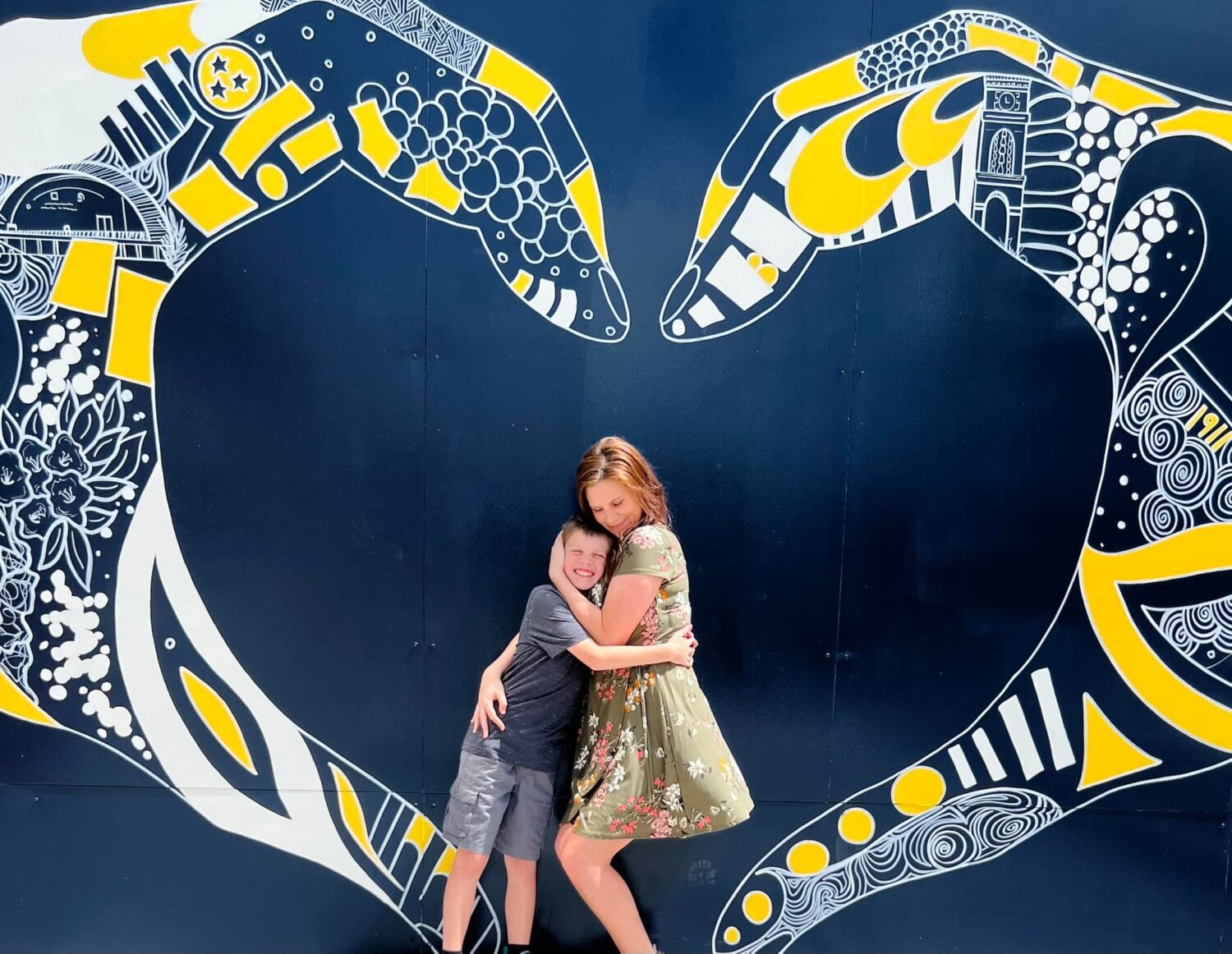
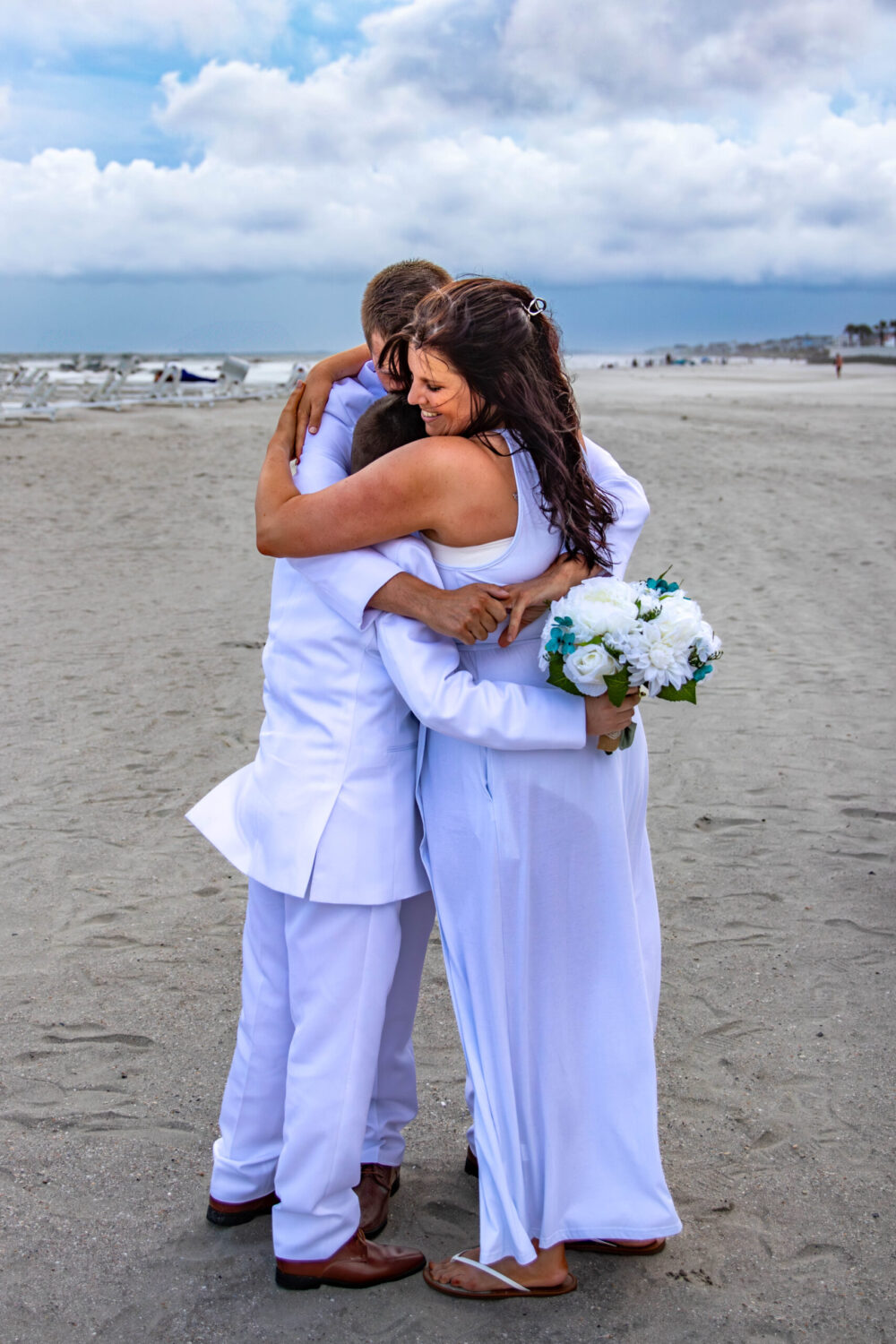
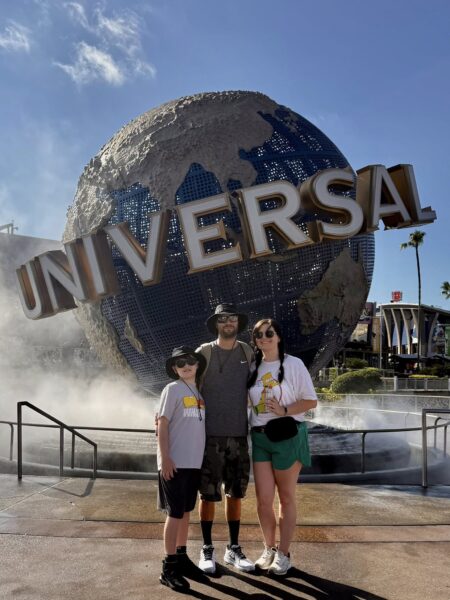 Today, I’m recently married, raising my incredible son, and working as a marketing professional with a focus on web design and social media. I also run my blog, Shunt Happens, where I share my journey openly and honestly to raise awareness and connect with others navigating similar conditions.
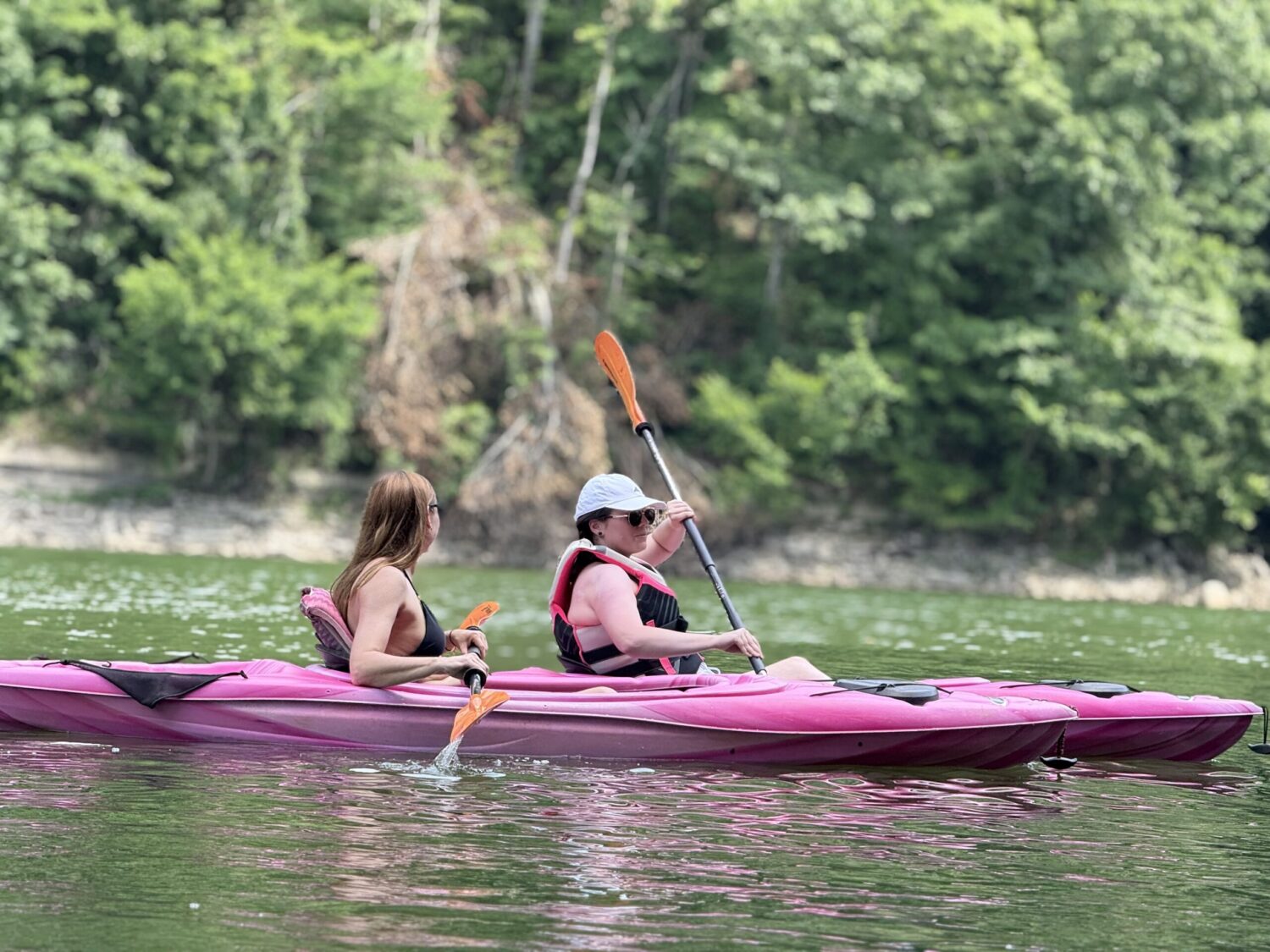
One of my proudest moments was completing a 20-mile hike—a full-circle achievement after being told I might never walk again. This year, I plan to participate in my first Hydrocephalus Association (HA) WALK in Alabama and attend the next National Conference on hydrocephalus, HA CONNECT, in Indianapolis, IN, July 23-25, 2025, because connection and community matter more than ever.
My mission is clear: to advocate for the importance of shunts and bring attention to the real, life-saving role they play for people like me. Hydrocephalus may be a lifelong condition, but we are more than our diagnosis—and with the right tools, support, and awareness, we can live fulfilling, empowered lives.
I didn’t expect to be where I am today—but here I am. And if you’re reading this, I want you to know: you are not alone. You are stronger than you think. And you deserve to be seen, heard, and supported.
Tell us about your journey with hydrocephalus!
Share your story of hope and perseverance with us! We will feature the amazing individuals in our community who are living life to the fullest regardless of their condition! Stories are reviewed by our staff and posted on our website and through social media. Stories should be no more than 800 words long. Click here to submit your story today!
Let’s SHARE. Let’s CONNECT. Let’s raise AWARENESS! Let’s INSPIRE!
For questions, email: info@hydroassoc.org with the subject line “Share Your Story”.