Building Better Devices: The Impact of the Hydrocephalus Engineering Workshop
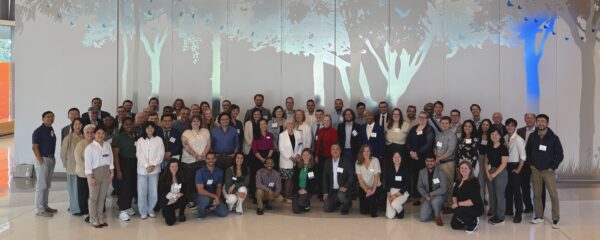
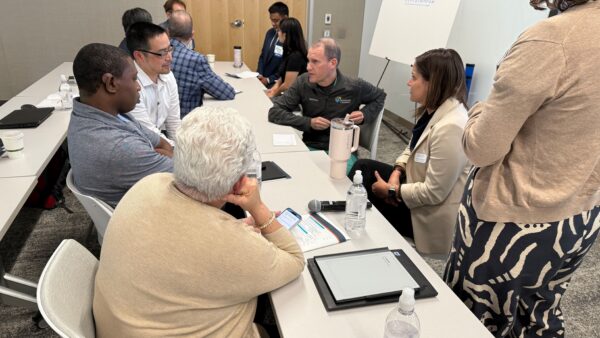
The Hydrocephalus Association with the generous support from the Rudi Schulte Research Institute hosted their largest research workshop to-date in Columbus, Ohio to focus on Engineering in Hydrocephalus. This event brought together over 90 people from diverse backgrounds, including engineers, scientists, doctors, patients, and emerging technology industry representatives, who all shared one goal: to find new ways to improve hydrocephalus treatment and diagnosis through engineering.
This workshop is a powerful step forward inspired directly by YOUR voices—focusing on finding better ways to monitor shunts, catch problems early, and improve shunt designs to prevent blockages and failures, which are amongst our top 5 Community Research Priorities.
“The science was excellent of course but also the personal statements from people with hydrocephalus were really moving. I’ve been treating hydrocephalus for four decades and I’m still moved by these stories. My colleagues in Engineering who joined me really got the message about…how much people suffer from it. It’s very inspiring. It makes us want to work even harder to get better treatments. Thanks for what you do.”
-Dr. Michael Egnor, MD, Neurosurgeon, Stony Brook University Hospital
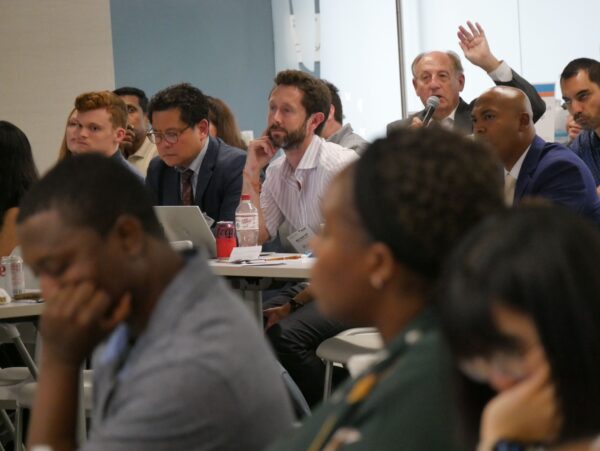
Every session of the workshop featured patient, clinical, and basic science or engineering perspectives, ensuring that discussions remained patient-centric, collaborative, and grounded in real-world experiences. Key highlights from the workshop include:
- Shunt Occlusion and Overdrainage: Speakers addressed major challenges with shunt systems and explored innovative strategies to prevent blockages and better regulate CSF flow.
- Modeling: Experts examined a range of modeling approaches, from benchtop experiments to animal studies to bedside applications, highlighting how each can advance understanding and treatment of hydrocephalus.
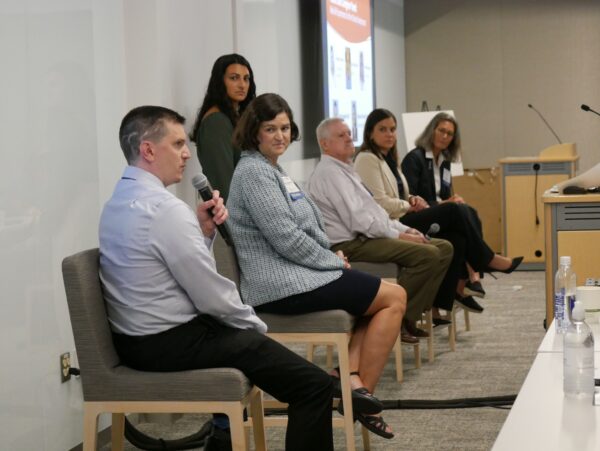
- Patient Perspectives: A special panel of patients and caregivers shared powerful insights into their everyday experiences with hydrocephalus and highlighted their priorities for improved treatment and diagnostic devices.
- Diagnostics: Discussions focused on new tools and technologies for monitoring the brain and shunt function using sensors and imaging, aiming for easier, non-invasive detection of shunt problems.
- Building Partnerships: A significant focus was placed on uniting industry representatives, academics, clinicians, and patients to collaborate on advancing devices and diagnostic tools.
- Funding Insights: Funding is essential for research. Speakers from diverse organizations shared how researchers can access available funding opportunities to drive their work forward.
Why It Matters
This workshop wasn’t just another meeting — it created a synergistic community to bring together experts focused on improving devices and treatments for hydrocephalus. By bringing engineers into direct conversation with neurosurgeons, scientists, radiologists, patients, caregivers, and more, it created a unique space for fresh ideas to grow. These conversations opened new doors and sparked ideas that wouldn’t have happened otherwise. Hearing from patients about how shunt issues affect daily life helped everyone focus on practical, patient-centered solutions.
The relationships and ideas formed here help shape safer, smarter, and less invasive treatments for hydrocephalus. These developments could mean fewer surgeries, better shunt devices, and more reliable ways to know if a shunt is working — all of which could greatly improve the quality of life for people living with hydrocephalus.
Looking Ahead
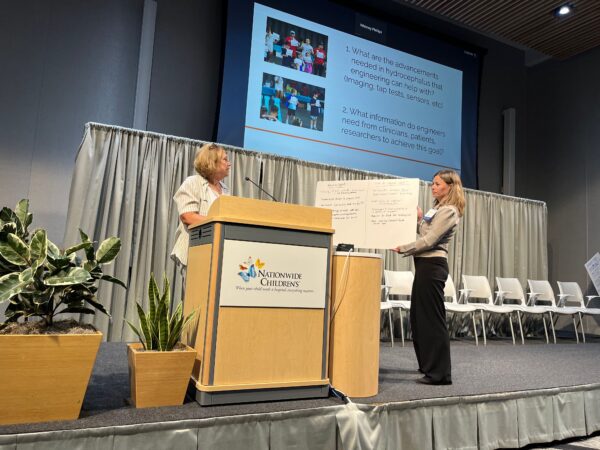
The energy and optimism from this workshop was truly inspiring. Everyone left eager to continue working together across fields and backgrounds, taking the next steps to bring engineering innovations from the lab to the clinic — and most importantly, to the patients who need them.
This workshop made such a strong impact on attendees that a new collaborative group has been created to meet regularly, helping researchers stay connected and work together to accelerate progress in hydrocephalus research. The Hydrocephalus Association and key participants will also develop a roadmap paper to direct the next steps required to advance the field. This publication will be shared broadly with the scientific, medical, and engineering communities to guide and accelerate future research.
Together, these efforts mark a pivotal turning point in advancing engineering solutions for hydrocephalus.