Diagnosed At Birth
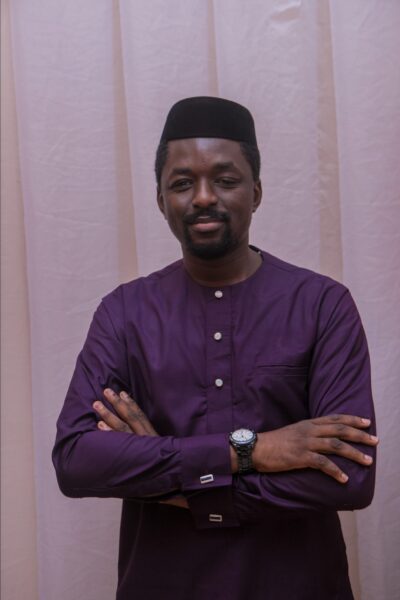
Kunle
Story Written by Self
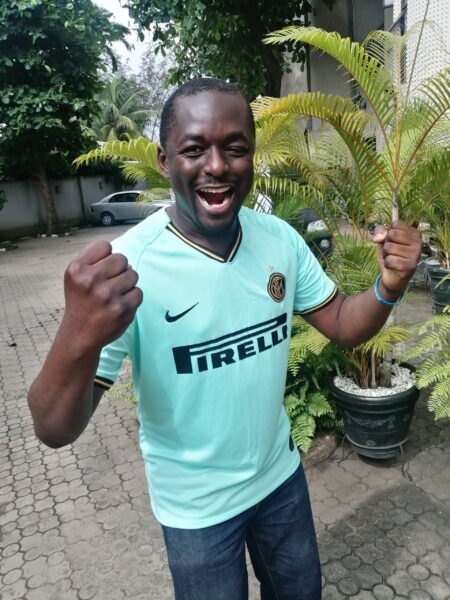 I was born in April 1990, the third child in my family, and while there was evident joy that I was another addition to the family, there was a little worry.
When I was born, the circumference of my head was above the average for a newborn baby. As I had further check-ups, the doctors noted that my head circumference continued to increase. I was diagnosed with hydrocephalus and needed to have surgery.
Unfortunately, it was not possible to have the surgery in Nigeria. The only option was to travel abroad. At four weeks old, I had surgery to place a shunt system in France.
The neurosurgeon in France told my parents I would not hit developmental milestones early because the surgery had been done a few weeks after I was born. This news was difficult for my parents to take in, and it put them on the edge, but there was always a place of faith and hope in their hearts.
I exceeded the doctor’s expectations and reached my developmental milestones like any growing child. I even started school at the required age in Nigeria. But soon, my next big hurdle arrived, seizures.
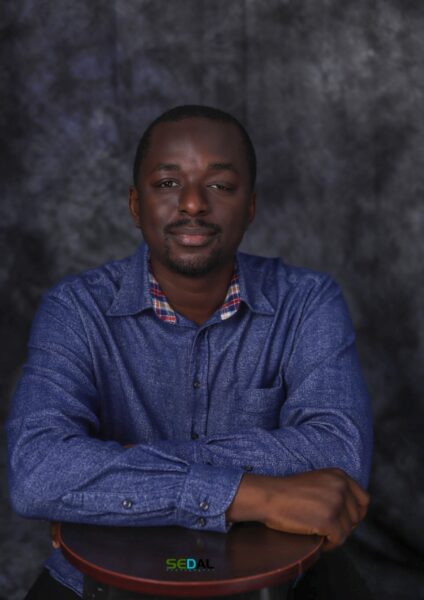
For much of my primary school years in Ibadan, Nigeria, I battled seizures and made frequent trips to the University College Hospital to adjust the dosage or type of anticonvulsant I was taking, primarily Phenobarbital. I had many CT scans during this time, but nothing seemed to work. I even experienced seizures while in class, which would require my parents to come get me—at a time when mobile phones were not available in Nigeria.
I was mocked and bullied by my classmates who mimicked the jerking associated with seizures. It was a distressing and traumatic period in my life. Not long before I entered secondary school, doctors found a medicine and dosage that worked to control my seizures, though the bullying unfortunately, continued.
Despite the challenges I faced early in life, I proceeded to attend a university. I finished with a degree in History and International Studies at Babcock University, one of Nigeria’s leading private institutions of higher learning. I attended the mandatory one-year national youth service in Lagos, after which I completed a master’s degree in International Relations from Obafemi Awolowo University, one of the country’s leading public tertiary institutions. 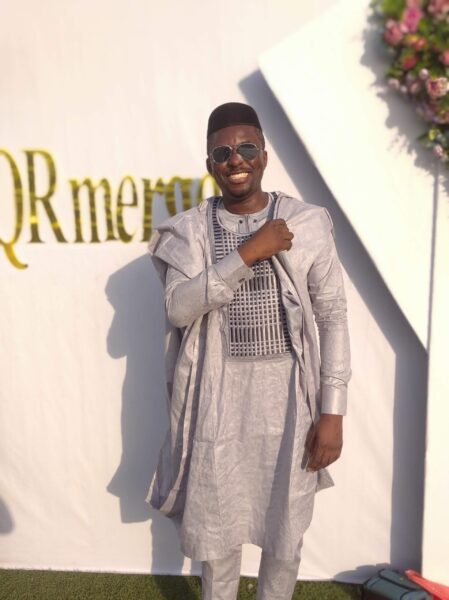
While I will have to live with hydrocephalus and seizures for the rest of my life, one thing that has defined me is my curious personality. Even before I started school, I was always puzzled by so many things happening around me. This attribute never left me despite my condition. Rather it pushed me to seek more knowledge and led me to thrive in subjects that were arts and social science-oriented in school. I have ultimately become a sports content writer and journalist today, with my byline featured in leading online media publications within Nigeria, Africa and the rest of the world.
I never took hydrocephalus advocacy seriously until the death of my father in 2012. Much of where I am today is because of him and the sacrifices he made. After his death, my perspective changed on a lot of things. I began to reach out to families that needed hope, and my life journey was an inspiration to them. Sadly, some of those I kept in touch with have passed due to complications related to having hydrocephalus and it hurt me and made me lose hope.
In 2019, I spoke with a mother whose two-year-old daughter had endured a terrifying ordeal after a failed surgery and a life-threatening infection. She had heard about my story and survival, which gave her renewed hope. Our connection reignited my passion for advocacy.
I’ve engaged with Nigerian non-governmental organizations (NGOs) such as the Festus Fajemilo Foundation and connected with many parents and individuals living with hydrocephalus and other neurological conditions—both within Nigeria and beyond.
They all have powerful stories of triumph in the face of adversity—adversity that is all too common in a Nigerian society marked with stigma, discrimination, neglect, and different negative stereotypes towards people living with hydrocephalus. I’ve used my voice as a writer and hydrocephalus warrior to share their stories on my website so that the world can see that these individuals deserve not pity or judgment, but empathy and the full support they need to thrive.
This is my mission, and living with hydrocephalus and seizures has helped shape it with the hope that the world becomes a better place for those with the condition.
Tell us about your journey with hydrocephalus!
Share your story of hope and perseverance with us! We will feature the amazing individuals in our community who are living life to the fullest regardless of their condition! Stories are reviewed by our staff and posted on our website and through social media. Stories should be no more than 800 words long. Click here to submit your story today!
Let’s SHARE. Let’s CONNECT. Let’s raise AWARENESS! Let’s INSPIRE!
For questions, email: info@hydroassoc.org with the subject line “Share Your Story”.