Cavan, Breccan, and Teagan
Story Written by Mother
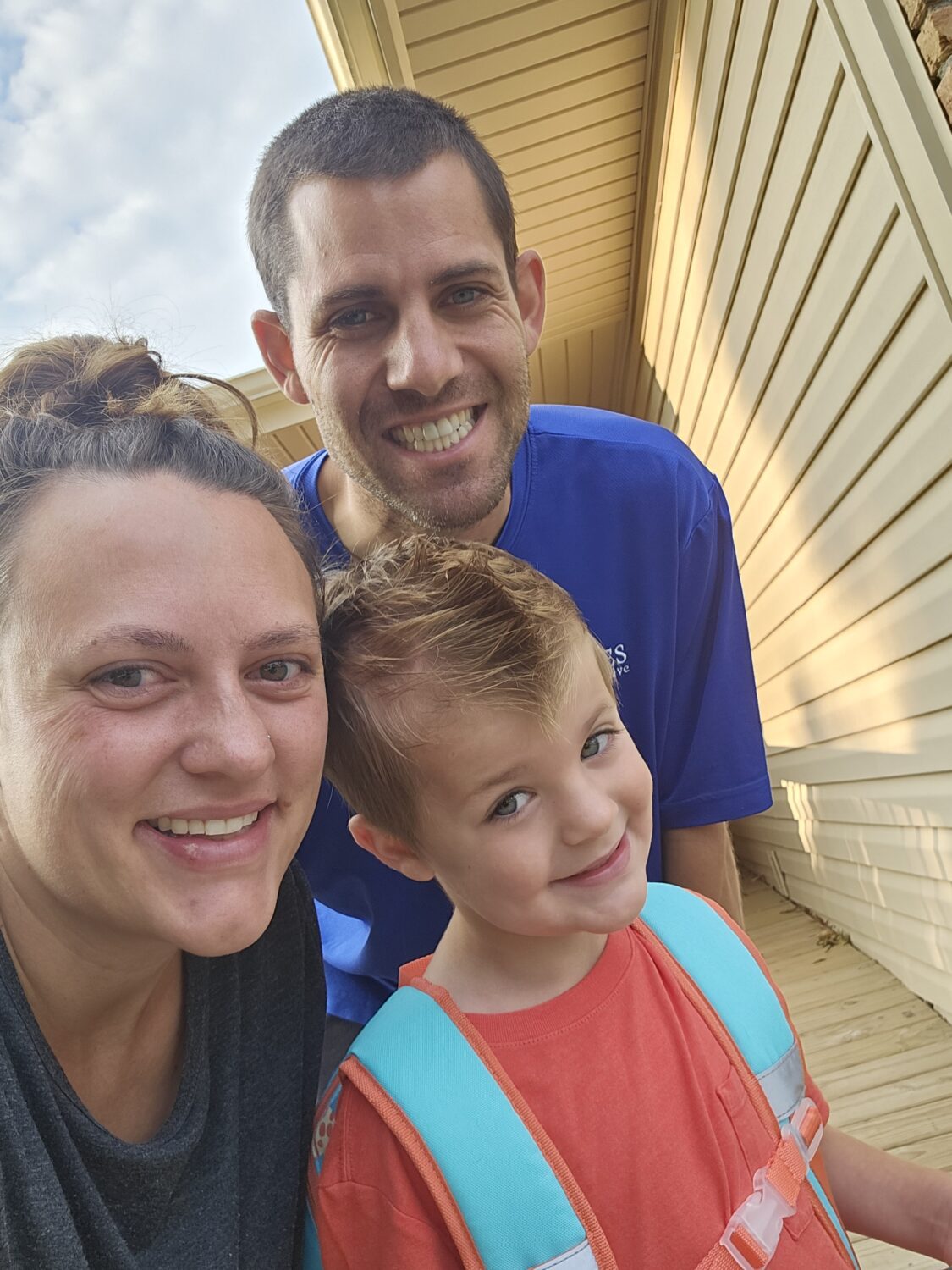
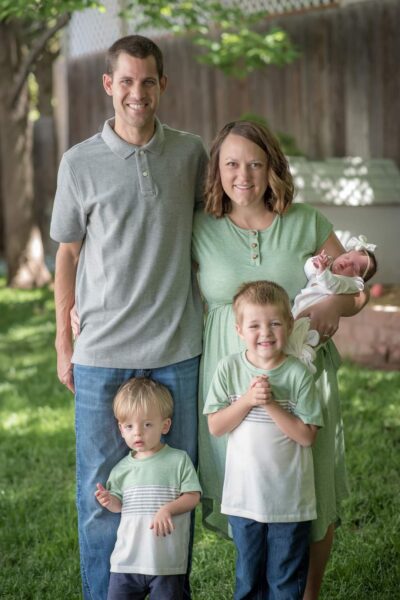 In December of 2018, my husband and I welcomed our oldest son, Cavan. At four months old, he was diagnosed with aqueductal stenosis, leading to hydrocephalus. Aside from briefly learning about this condition in nursing school, no one in my family had ever heard of hydrocephalus, and we do not have a family history of this condition. We asked if this could be genetic and if we would have to worry about having more kids with this condition. We were told that hydrocephalus is rarely genetic and were reassured that Cavan’s condition was just an isolated case, not something we needed to worry about for future children. We discussed treatment options and ultimately decided that a shunt system was the best treatment option.
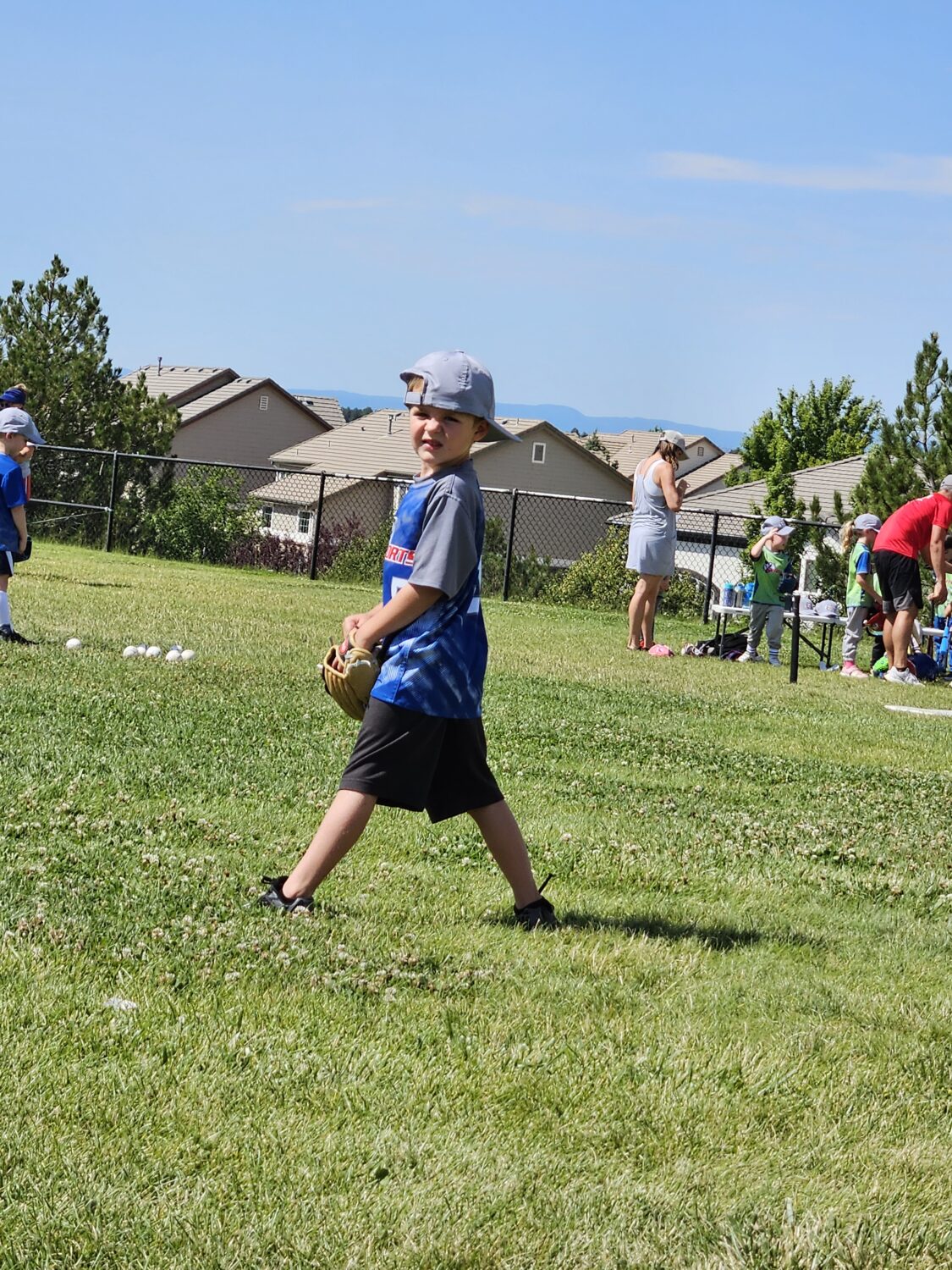
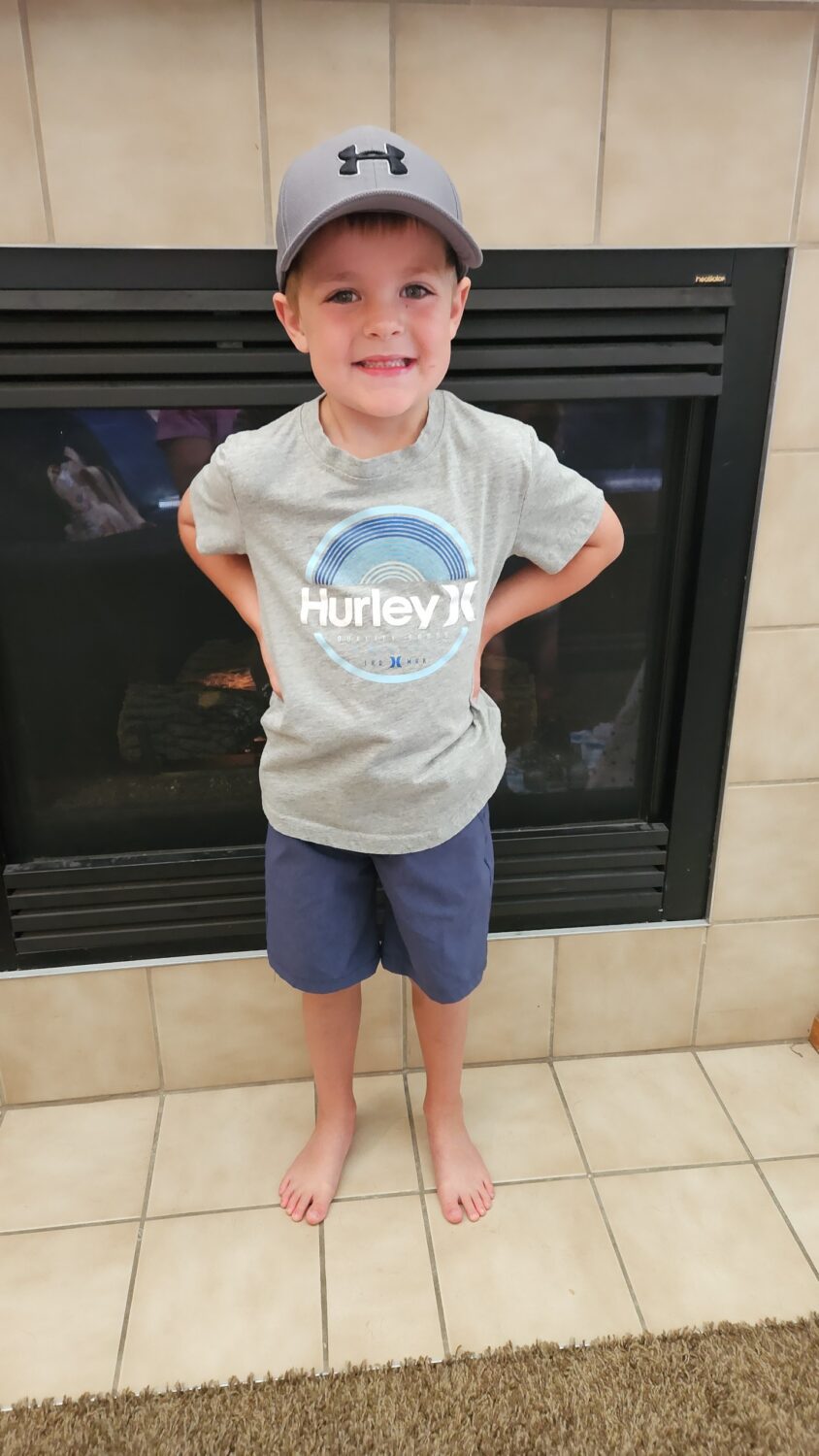
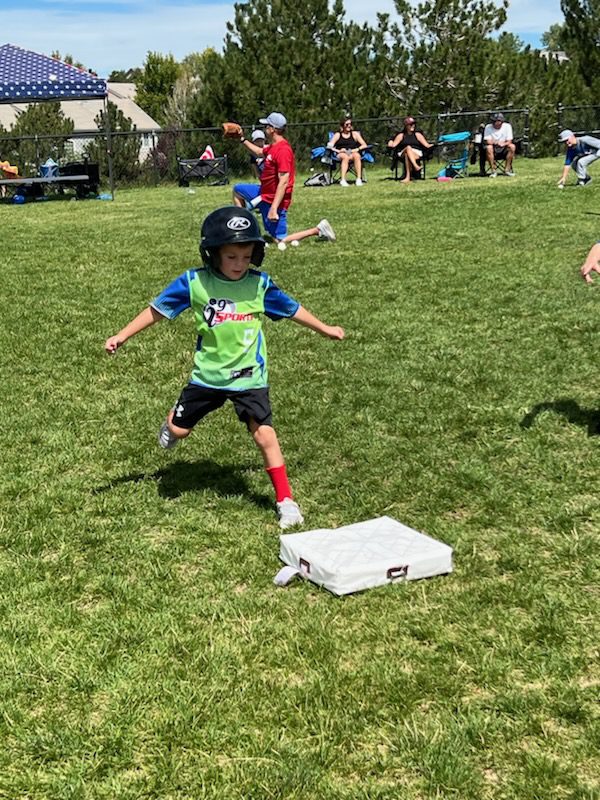
By the time Cavan was 2 1/2 years old, he was thriving. We were enjoying life as a family, living in an RV while I worked as a travel nurse, and felt it was the right time to grow our family. Now, at 5 ½ years old, Cavan has had three brain surgeries. He is my easy-going little guy. He makes friends wherever he goes, which has helped him as he started kindergarten this year. He even found out he has a fellow classmate with hydrocephalus, after bringing in his Abilities in Me book for show and tell. He is also the best big brother.
When I became pregnant with Breccan, my OB sent me to a high-risk doctor just as an extra precaution given Cavan had hydrocephalus. Extra ultrasounds were done throughout my pregnancy, including one at the hospital right before being induced. All prenatal imaging was reassuring, and my high-risk doctor was convinced that my previous doctor had missed the hydrocephalus during pregnancy. She had never heard of someone being diagnosed with this after they were born. Now looking back, I question how knowledgeable this OB was about hydrocephalus knowing this condition can be diagnosed at any age, but at the time I didn’t know as much as I do now.
Breccan was a healthy baby but started developing symptoms of hydrocephalus at one month old. As a travel nurse, our frequent moves delayed Breccan’s follow-up appointment until he was about two months old. When he started having symptoms, I thought I was being a hypochondriac because they said it wasn’t genetic. But, at his 2-month checkup, it was immediately clear to me that something was wrong—his head was noticeably larger than it should have been for his age. As expected, he was diagnosed with hydrocephalus, also caused by aqueductal stenosis. At this time, we were in Denver with a different neurosurgeon. We opted to try an endoscopic third ventriculostomy (ETV) with choroid plexus cauterization (CPC) to treat Breccan’s hydrocephalus. This ultimately did not work, and he was shunted at four months old.
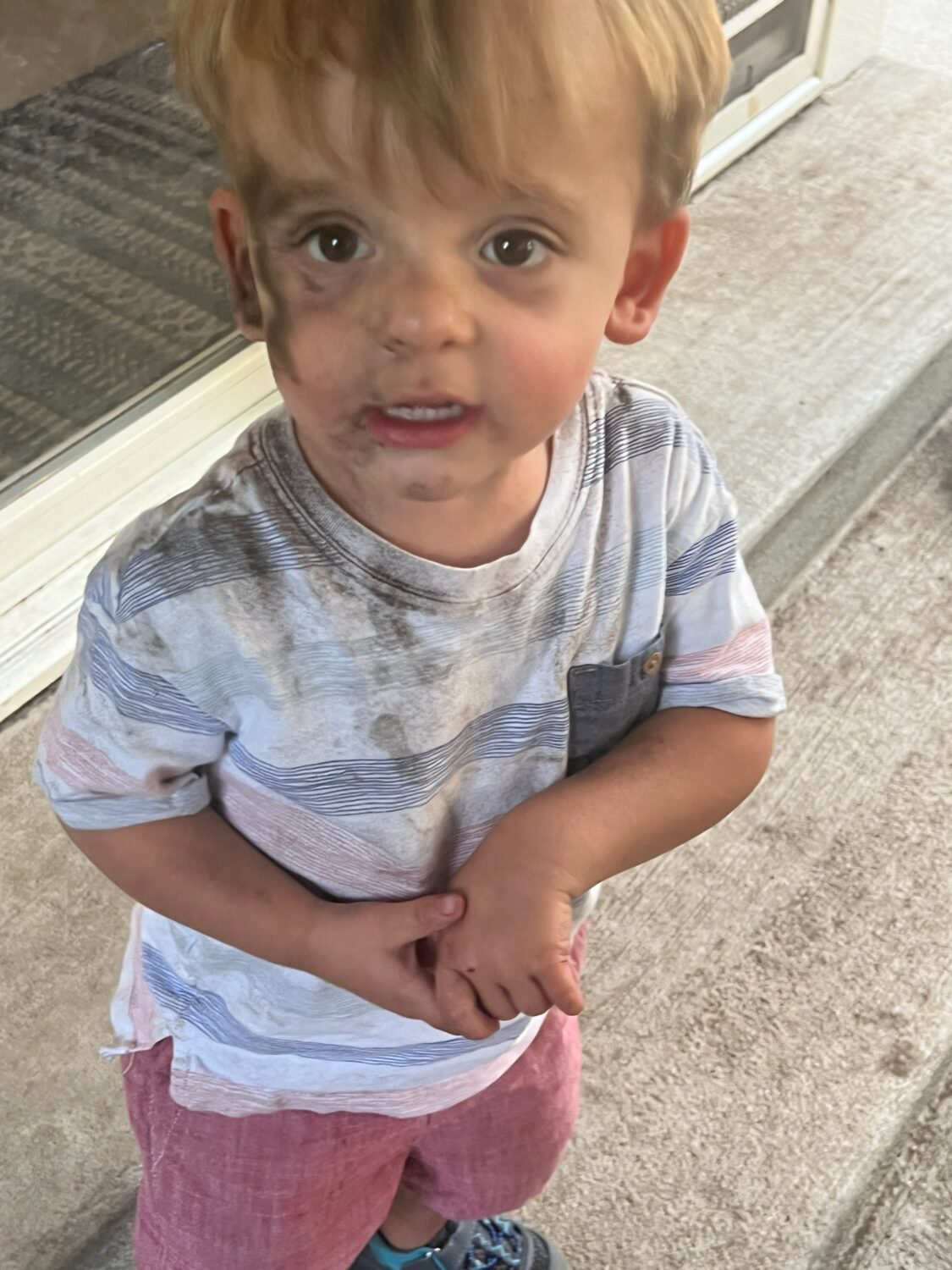
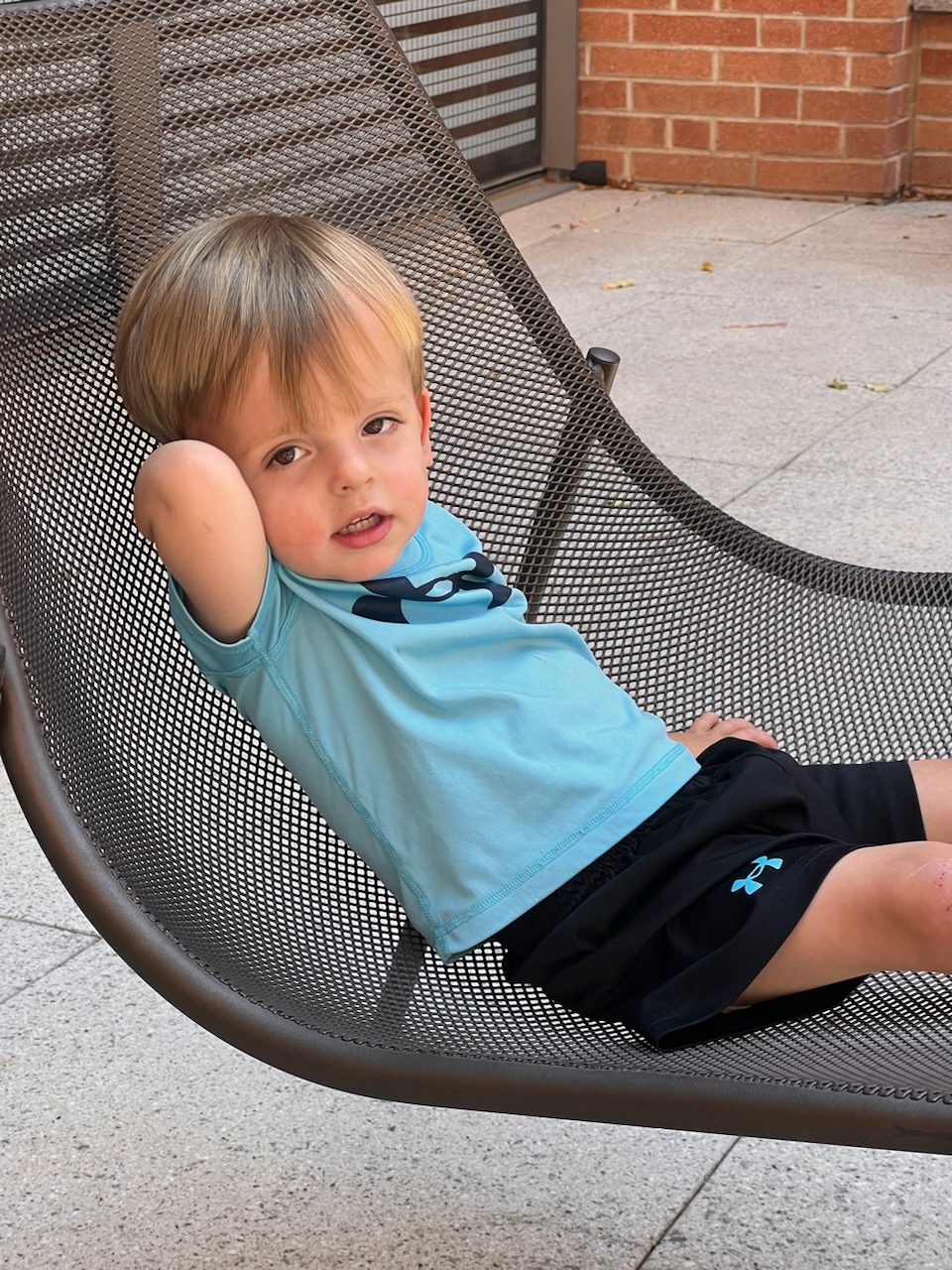
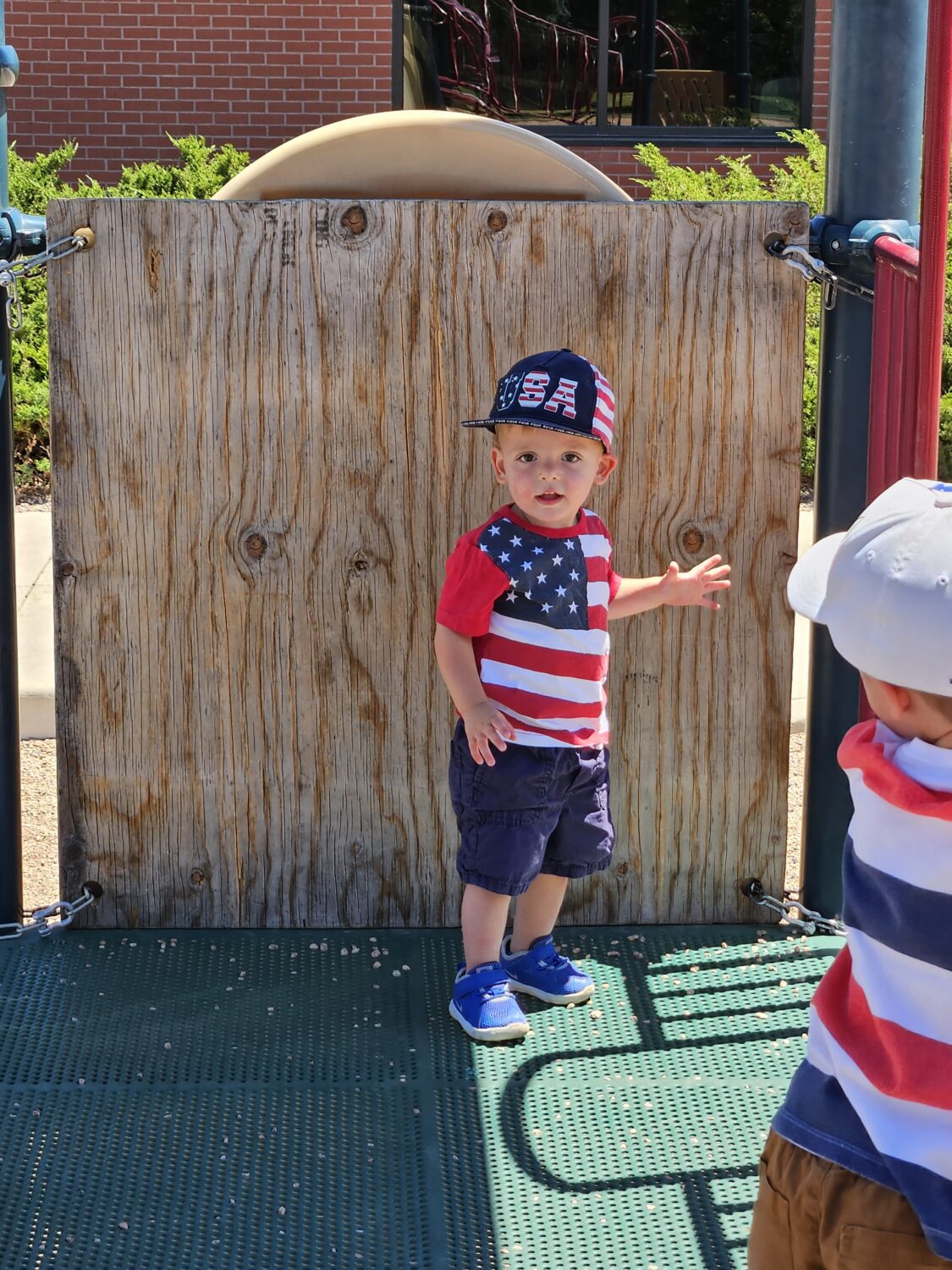
At 2 years old, Breccan is my headstrong middle child, whom I have a feeling will test the limits of how strong his shunt is and will end up in the ER with a broken bone before either of his siblings. I worry often about him hitting his head, and make sure he is wearing a helmet when riding anything with wheels. He admires his older brother and wants to do everything Cavan does, even though he may not always be able to.
Even though there was still a chance that both kids having hydrocephalus was a crazy coincidence, we decided we wanted to pursue genetic testing to find out for sure. We waited almost a year to get in with the genetic team at Children’s Hospital Colorado. At our appointment, we were presented with several testing options to consider. We opted to check just the L1CAM gene since we were told it is one of the more common genes known to cause hydrocephalus. The L1CAM gene test came back negative, leaving us with the option of a broader genetic search. Unfortunately, we had submitted this request to insurance three or four times, but they refused to confirm coverage beforehand. It’s essentially a $12,000 gamble that we couldn’t afford to take. While searching for alternatives, I found a genetic research study through the Hydrocephalus Association’s website. After months of persistent effort, we finally connected with someone and sent in our samples last July. Despite multiple follow-ups, we were informed that we wouldn’t receive results until the study concluded.
In November of last year, we had an unexpected surprise. We found out I was pregnant with our third child. During this pregnancy, we learned early on that we were expecting a girl. Based on all the research I had done, I felt hopeful that she might not develop hydrocephalus. Throughout this pregnancy again I had extra ultrasounds. My high-risk doctor this time was stumped when I told him I had two hydro kiddos and that neither were diagnosed in utero.
Halfway through my pregnancy, we ended up moving again and switching doctors, but again, all ultrasounds were looking promising, and I was feeling hopeful that I would have a healthy baby girl. Teagan was born in May of this year. When she was 2 weeks old, she spent several nights in the hospital with her older brother Cavan. Cavan had his first shunt failure in February of this year, and we opted to try an ETV. Unfortunately, it didn’t work, and he ultimately needed a shunt placed again in June. I jokingly told the neurosurgeons admiring my newborn that they weren’t allowed to touch her.
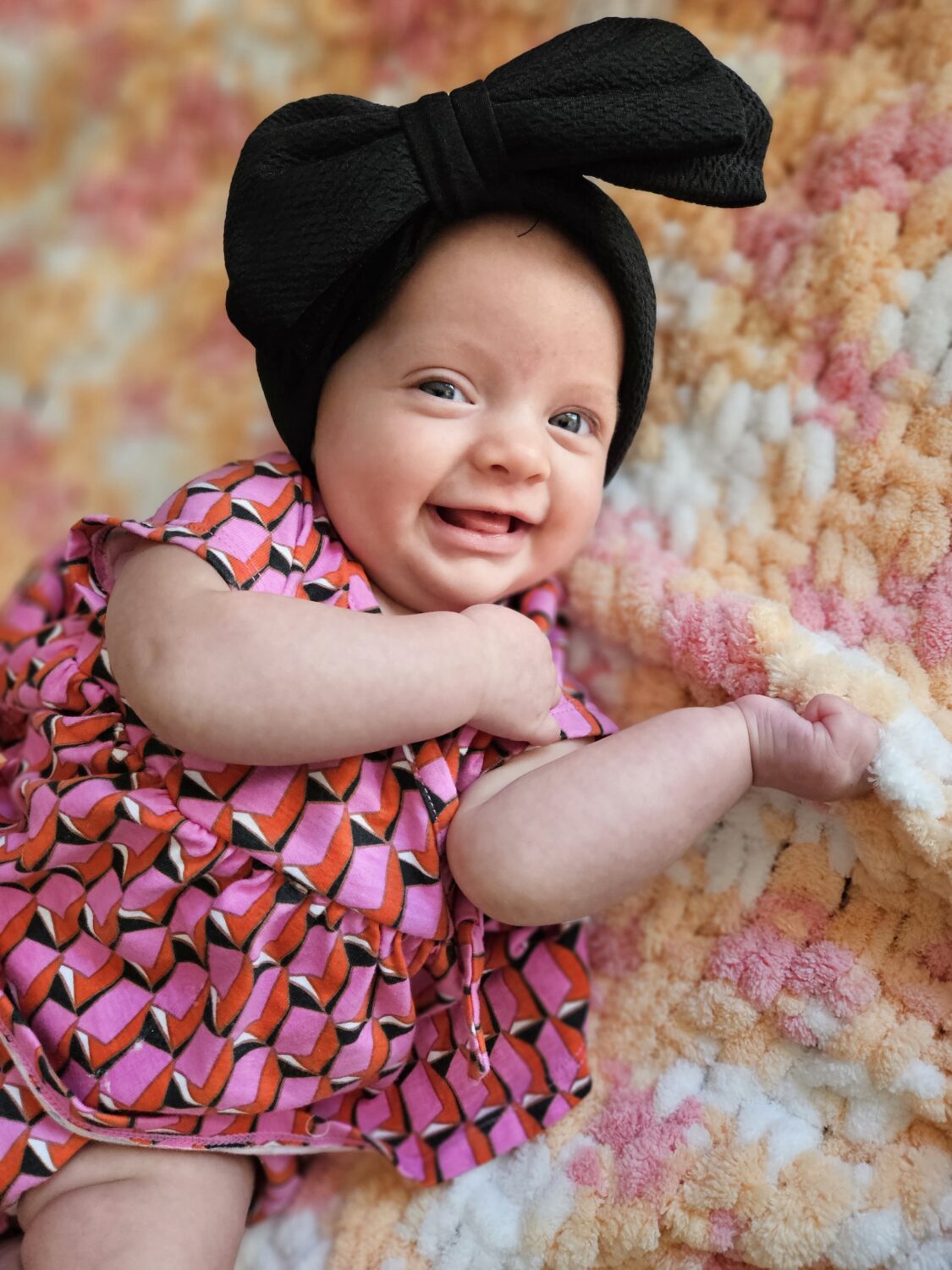
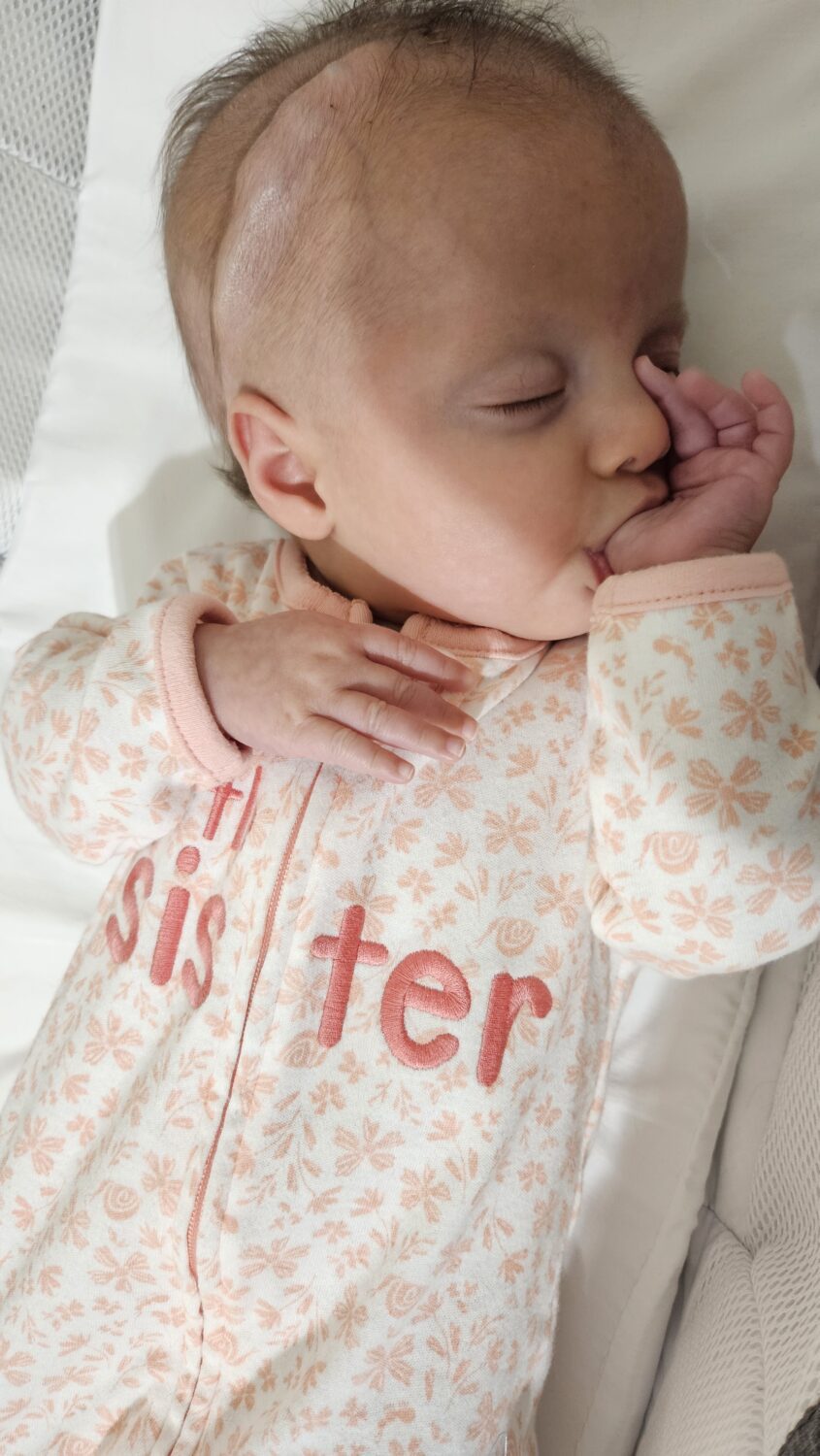
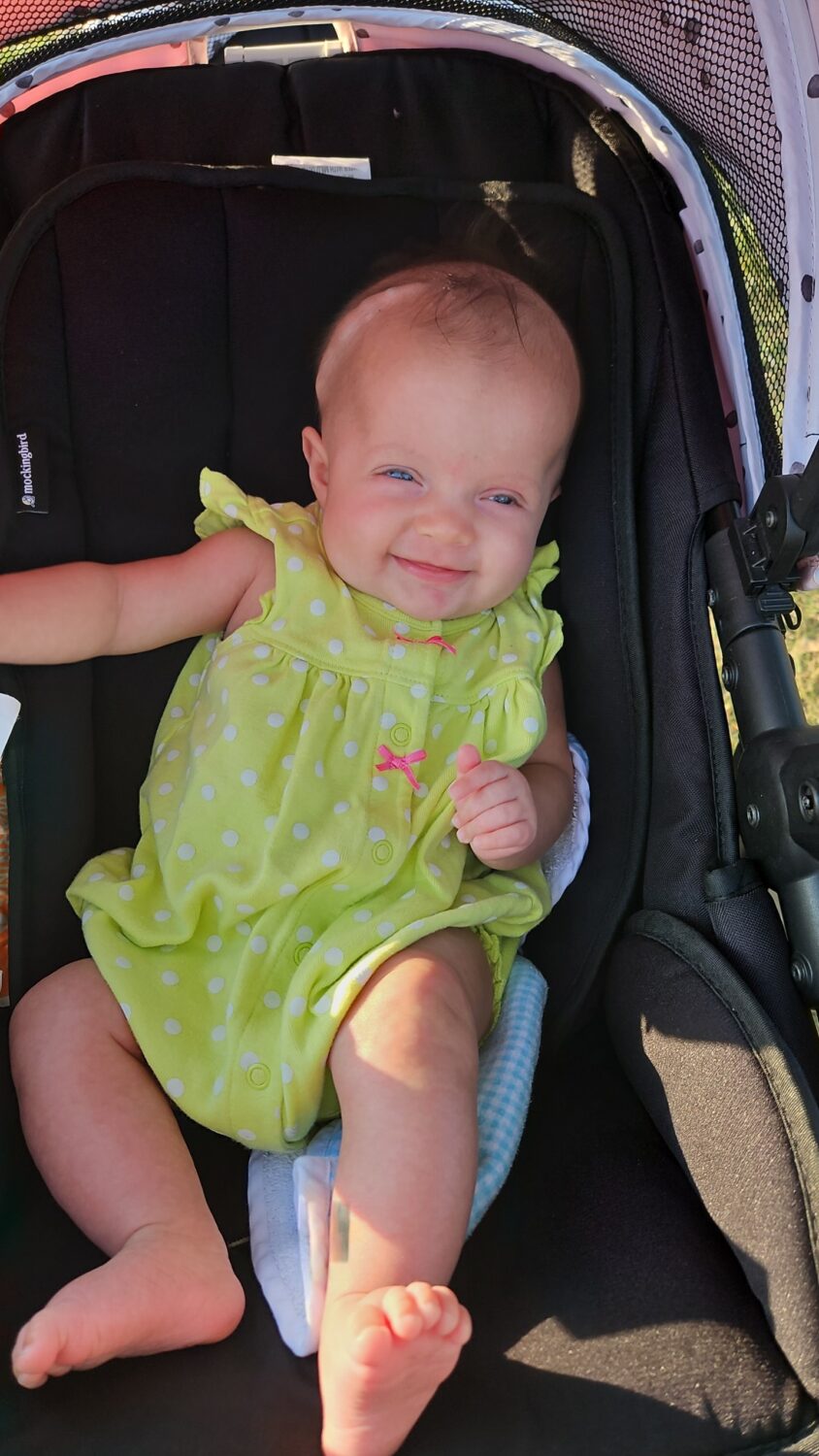
In hindsight, maybe not the best joke, because when she was about a month old, I started noticing that her head seemed to be outgrowing her bows. Everyone around me again was trying to reassure me that I was being paranoid. At her one-month checkup, the doctors still found her head size to be within normal limits. At her 2-month, checkup her head had grown off the charts. She was also diagnosed with hydrocephalus due to aqueductal stenosis. We were given options on which procedure we would like to pursue and ultimately decided on a shunt since the ETV did not work for either of her brothers. At 4 months old now, she is the happiest baby and loves her big brothers so much.
It’s been hard to stay optimistic after Teagan’s diagnosis. Every doctor I tell our story to gets a look of confusion on their face…it’s a frazzled look because they have no ideas. It is disheartening when you reach the knowledge limits of modern medicine. Since Teagan’s diagnosis, we’ve pursued genetic testing once more, only to find out that insurance is still treating it as a $12,000 gamble. It infuriates me that the medical necessity of having genetic testing isn’t blatantly obvious to them, especially having three kids with the same condition. Had they just covered the test to begin with, they might have avoided the need for a third child’s brain surgery. I want to emphasize that Teagan was absolutely wanted and is deeply loved. She was meant to be part of our family. However, with more information, things might have unfolded differently. We are still awaiting results from the ongoing genetic study we participated in.
Raising three children with hydrocephalus has taught me invaluable lessons. Even though we have moved around quite a bit over the last 5 years since Cavan was born, I knew how important it was to have continuity of care for my kids. Since Breccan was born, we have considered Colorado our home base, even though we live in Nebraska now. Each of my children has a wonderful surgeon at Children’s Hospital Colorado, and it helps that my parents live in that area. We stay with them every time we visit and they are so helpful in navigating all of this with us. I try to plan for all of my kids to be seen the same day, when possible, to make as few trips to Colorado as we can. While I worry frequently about them experiencing a shunt failure, I have learned to keep a disc of each of their most recent MRI scans with me wherever we go. I know this will be helpful for doctors who are unfamiliar with them to have a baseline scan to compare to in the case of an emergency.
I remain hopeful that we will eventually understand the cause of hydrocephalus in our children. This knowledge could provide valuable guidance for them when they start their own families. I am also hopeful that when we do get an answer it will help guide us to know if there is anything else we should be monitoring more closely for them so we can be proactive with their healthcare. Until then, we will continue to fight for our children to help them understand their condition and lead fulfilling lives, no matter the challenges they may face.
Tell us about your journey with hydrocephalus!
Share your story of hope and perseverance with us! We will feature the amazing individuals in our community who are living life to the fullest regardless of their condition! Stories are reviewed by our staff and posted on our website and through social media. Stories should be no more than 800 words long. Click here to submit your story today!
Let’s SHARE. Let’s CONNECT. Let’s raise AWARENESS! Let’s INSPIRE!
For questions, email: info@hydroassoc.org with the subject line “Share Your Story”.