
Diagnosed at 8 Months
Oliver
Story Written by Father
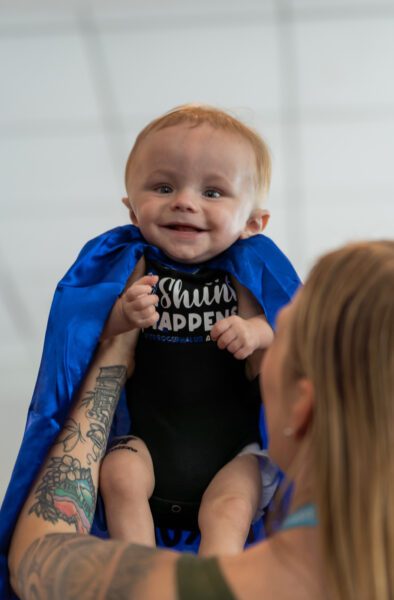 Oliver was born on September 15th, 2023, approximately two months premature, weighing just 2lbs 6ozs. Due to unknown complications of the umbilical cord, Oliver was born early at 32 weeks and measured at 29 weeks. His mother, Rachael, had recently completed her 32-week checkup with no signs of complications, and up until then, her pregnancy had been without issues, aside from concerns about low fetal weight. The doctors were not concerned by this and advised Rachael to start a high-calorie diet to help Oliver gain weight. Later in the week, Rachael traveled from our home in Tampa, FL, to Orlando, FL, for a relaxing weekend with friends, which included pre-natal massages and time by the pool.
That morning began like any other, but by lunchtime Rachael grew concerned. It had become clear that Oliver was no longer moving. Worried, Rachael decided to check herself into the Winnie Palmer Hospital in Orlando to have Oliver examined. After an extensive ultrasound, the doctors discovered that Oliver was not receiving fluid through the umbilical cord – there was only the flow coming from Oliver, but none from Rachael to the baby. This discovery led the doctors to make the decision that Oliver needed to be delivered sooner rather than later. The doctors informed Rachael that she should expect his arrival by the end of the weekend. Understandably, Rachael started to panic as she was concerned for Oliver’s health. At that moment, the doctors could no longer detect Oliver’s heartbeat and rushed Rachael in for an emergency C-section to save his life.
During the delivery, the doctors encountered complications and were unable to deliver Oliver via the standard C-Section. They had to perform a “T”-Section, cutting upward into the uterus. To extract him, the doctors used suction devices to grip his head and pull him out, which tragically resulted in a traumatic brain injury. On his third day of life, blood work revealed low platelet counts, indicating internal bleeding. An MRI confirmed a grade 4 intracranial hemorrhage.
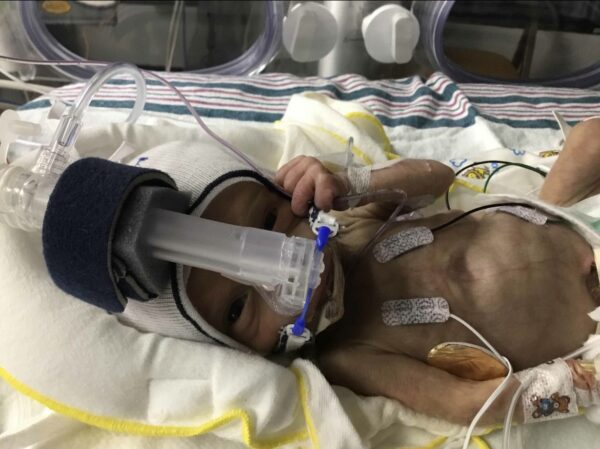 Over the next few weeks, Oliver received numerous blood transfusions and MRIs to monitor the hemorrhage, which fortunately remained stable throughout his 53-day NICU stay. Finally, on November 7th, 2023, our family of 3 was able to return home. The neuro team informed us that Oliver would need to be closely monitored throughout his childhood for potential issues such as seizures, strokes, developmental delays and other complications related to the large hemorrhage.
After 53 long days and nights in the NICU, the following six months were both uplifting and encouraging. Oliver had several checkups with his neuro team, including follow-up imaging, and we were thrilled to hear that his brain and cognitive development were progressing well.
All the positive developments came crashing down on May 24th, 2024, when Oliver projectile vomited for the first time. He would eagerly drink his bottle, but within minutes, he was vomiting in a way that seemed straight out of a horror movie. He also became extremely lethargic, sleeping for most of the day. Knowing something was seriously wrong, Rachael and I took him back to the hospital in Orlando. After a long night in the ER with no clear answers for his vomiting and lethargy, we were sent home with anti-nausea medication and instructions to monitor him.
The next day, Oliver slept almost constantly, waking for just 5 minutes before drifting off again for another 2-3 hours. He barely had the energy to make eye contact and drank very little milk. We let him rest most of the afternoon, given that he had been on IV fluids all morning, but by dinner time we tried giving him a bottle. He drank it like he was starving, but within 5 minutes, he vomited again just as violently. At that point, we knew something was seriously wrong and decided to take him to a different hospital in Tampa for evaluation. Within an hour of arriving, the doctors felt his fontanel and their concern was immediately apparent. Rachael and Oliver were airlifted back to Orlando, where his neuro team needed to see him as soon as possible.
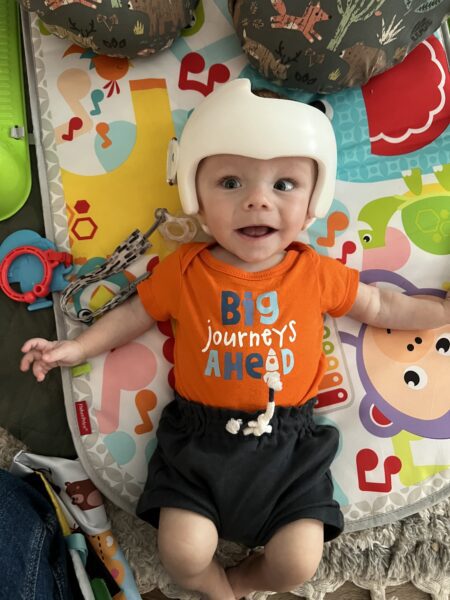
It was around 9 a.m. on Sunday morning when the doctor entered the room to tell Rachael and me that our 8-month-old son would be having brain surgery that very morning. Her expression alone as she entered the room made it abundantly clear that the news was not good. She explained that Oliver’s hemorrhage had led to the development of hydrocephalus, a chronic, neurological condition caused by the abnormal accumulation of cerebrospinal fluid (CSF) within the ventricles of the brain, which can result in developmental, physical, and intellectual impairments. To relieve the pressure, a ventriculoperitoneal (VP) shunt would need to be placed in his head to drain the excess fluid into his abdominal cavity where it could be absorbed.
Less than a year into his life, Oliver already needed multiple surgeries to survive. We were quickly sent down to prepare Oliver for his procedure and sign the necessary paperwork. During this time, we met the surgeon who would operate, Dr. Ryan Jafrani from Arnold Palmer Hospital in Orlando. His confident and calm demeanor immediately reassured me. With his long grey beard and clear explanations, it was obvious that he was experienced. Dr. Jafrani was far from nervous and explained that while the surgery was common, the biggest risk was a post-surgery infection. As is par for Oliver’s course, Oliver had a fever of 103 the day following his surgery, and Rachael and I were sent back into a panic. For the next week in the PICU, the doctors ran imaging tests and monitored his fever but found no indication that the surgery had caused the fever. Once his fever broke, we were able to go home.
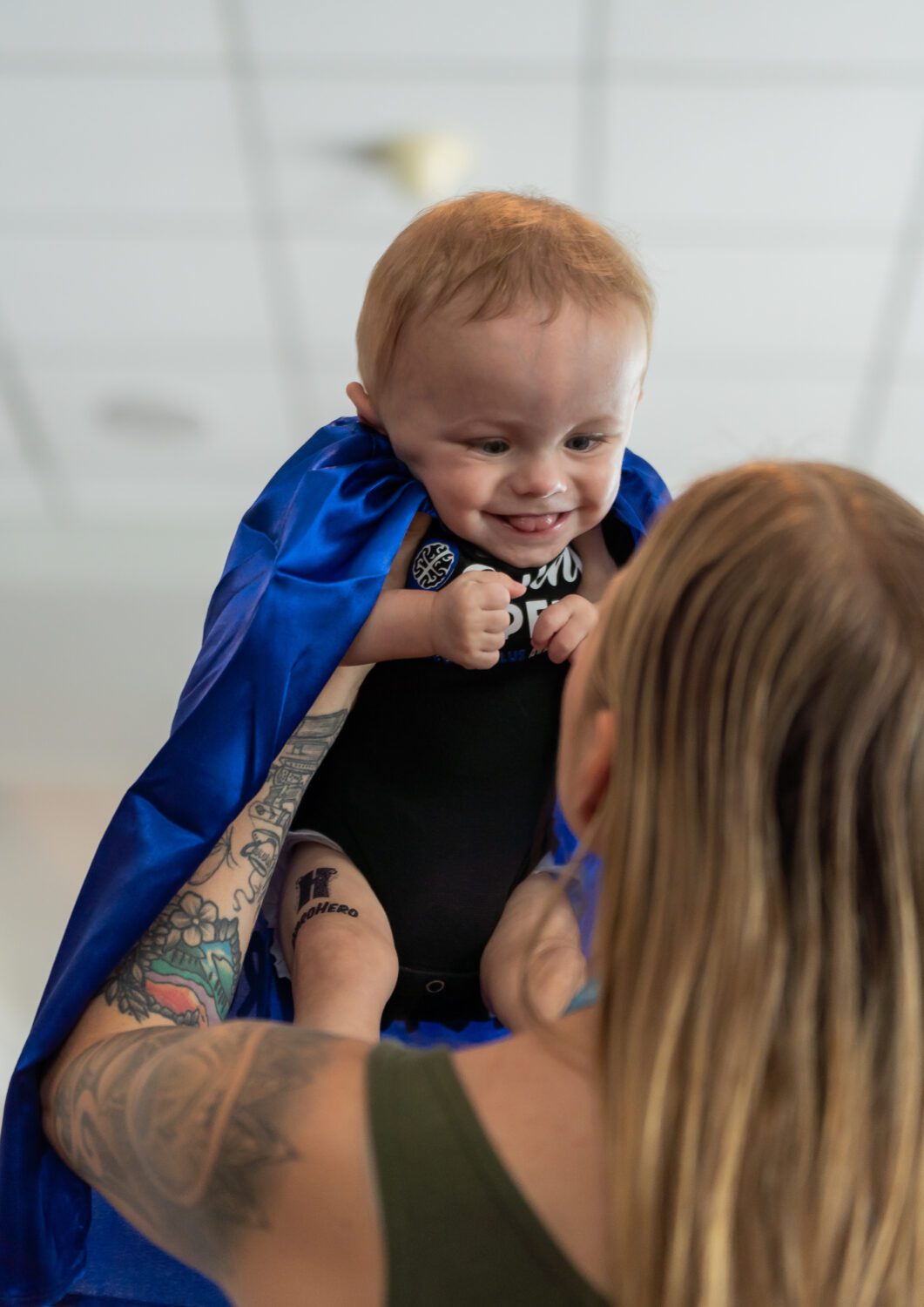
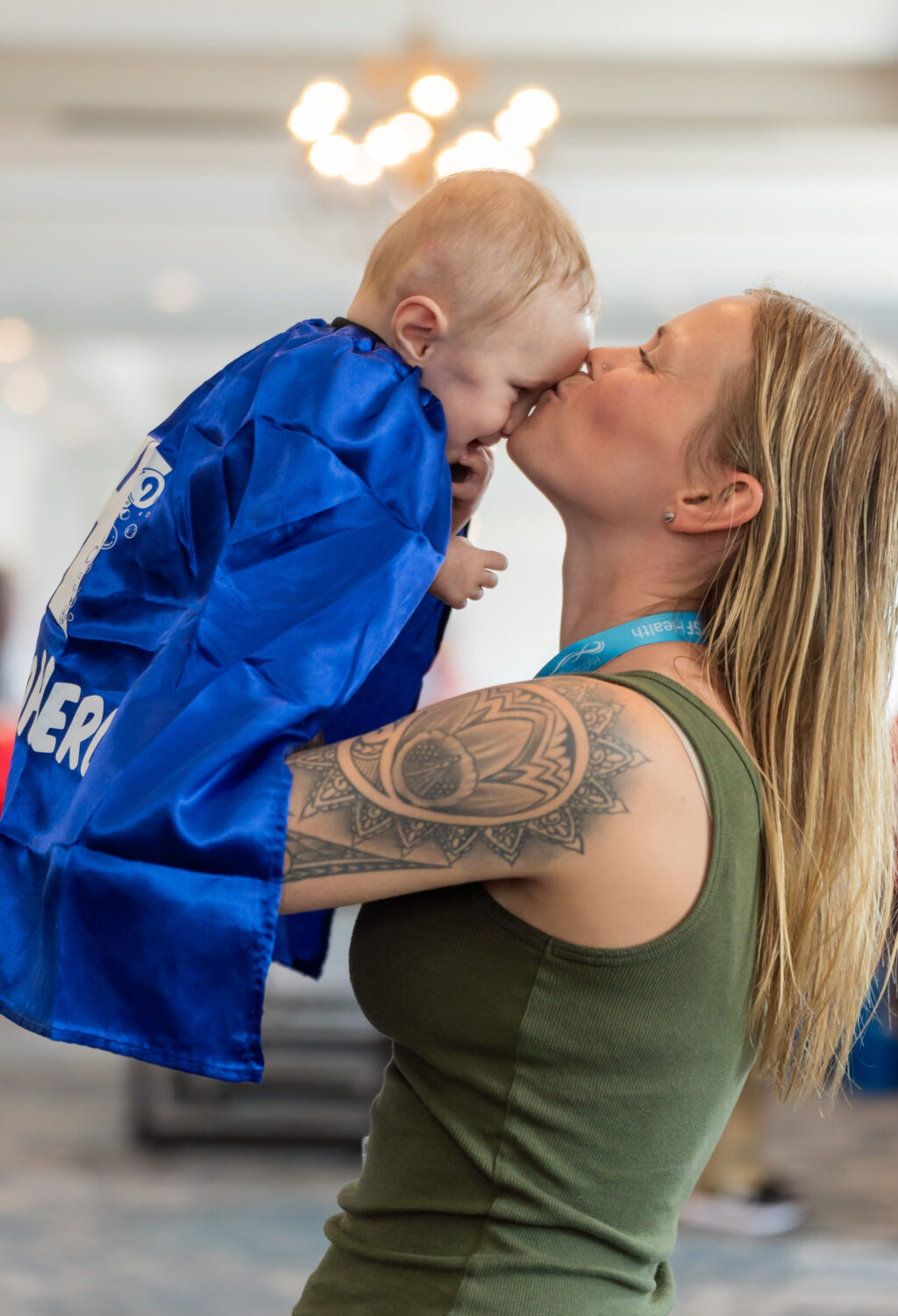
It has now been almost 4 months since Oliver had his shunt placed, and he is living life to the fullest! He has been Mom and Dad’s best travel buddy, already visiting 9 states and 2 national parks. He loves clapping his hands, saying ‘mama,’ and enjoys eating bananas, avocados, and eggs. He’s even earned the nickname ‘Smiley’ because he’s always beaming and laughing with everyone. He truly is a social butterfly.
Oliver has had numerous visits with his neuro team, including imaging and cognitive checkups, and everything is going well. His team will continue to monitor him throughout his life as we join the fight to find a cure for hydrocephalus. This condition was completely foreign to Rachael and me until it became an everyday part of our lives. We will always fight tirelessly for Oliver and stand by his side throughout his journey. We appreciate the Hydrocephalus Association (HA) and all that they do for our community!
Tell us about your journey with hydrocephalus!
Share your story of hope and perseverance with us! We will feature the amazing individuals in our community who are living life to the fullest regardless of their condition! Stories are reviewed by our staff and posted on our website and through social media. Stories should be no more than 800 words long. Click here to submit your story today!
Let’s SHARE. Let’s CONNECT. Let’s raise AWARENESS! Let’s INSPIRE!
For questions, email: info@hydroassoc.org with the subject line “Share Your Story”.