
Genetic Mutations and their Role in Congenital Hydrocephalus
 By Dr. Jenna Koschnitzky, previous Director of Research Programs, and Noriana Jakopin
Over the course of three blogs, we are discussing genetic mutations and their role in the development of hydrocephalus. As you read about these genetic mutations, we hope they provide helpful information for you about current studies in this field.
Hydrocephalus has been shown to have multiple causes, including numerous genetic origins. Numerous genetic mutations have been linked to congenital hydrocephalus in animals. However, only 4 mutant genes have been identified in humans. The most well-known genetic-links is mutations in the L1CAM causing X-linked hydrocephalus with aqueduct stenosis. However, other mutations and forms are much lesser known.
Non-syndromic autosomal recessive hydrocephalus:
The two genes associated with non-syndromic autosomal recessive hydrocephalus, MPDZ and CCDC88C, are important for planar cell polarity and cell migration. Planar cell polarity is a characteristic of some cells and means that the cells are oriented and aligned in a specific way. Certain cells, such as the ependymal cells which line the ventricles of the brain and create a barrier between the brain and cerebrospinal fluid, are polar cells. The proper alignment and orientation of ependymal cells is vital to the function of the cell. Cell migration is the process in which cells in the developing brain move to their appropriate and final locations. Appropriate cell migration is essential to proper brain development and function. Although it is not fully clear how mutations in MPDZ1 and CCDC88C cause hydrocephalus, it is likely related to their effects on planar cell polarity and brain development.
Disruption in planar cell polarity (PCP) signaling can interfere with various cell processes, including brain development. The PCP pathway is essential for coordinating the orientation and alignment of cells in tissues. In the brain, it plays a role in the proper development of structures and cellular functions, including ciliary movement. Mutations in genes associated with PCP signaling (such as FUZ, VANGL1, and CELSR2) can lead to impaired ciliary function, which is the rhythmic beating of tiny hair-like projections called cilia on cells like ependymal cells lining the ventricles of the brain.
Ciliary beating is crucial for maintaining the flow of cerebrospinal fluid (CSF) within the brain's ventricular system. Disruptions in this process can impair CSF movement and contribute to conditions like hydrocephalus. Research suggests that abnormal PCP signaling may not only affect ciliary function but also influence other pathways important for neurodevelopment. This multifaceted disruption can increase the risk of hydrocephalus by impacting both CSF dynamics and brain tissue integrity.
Participate in Research! You can help scientists find more links between genetics and
hydrocephalus. If you or your child was diagnosed with congenital hydrocephalus, a study out of
Yale is recruiting patients to assist with their research. Learn more!
More Information on these genes:
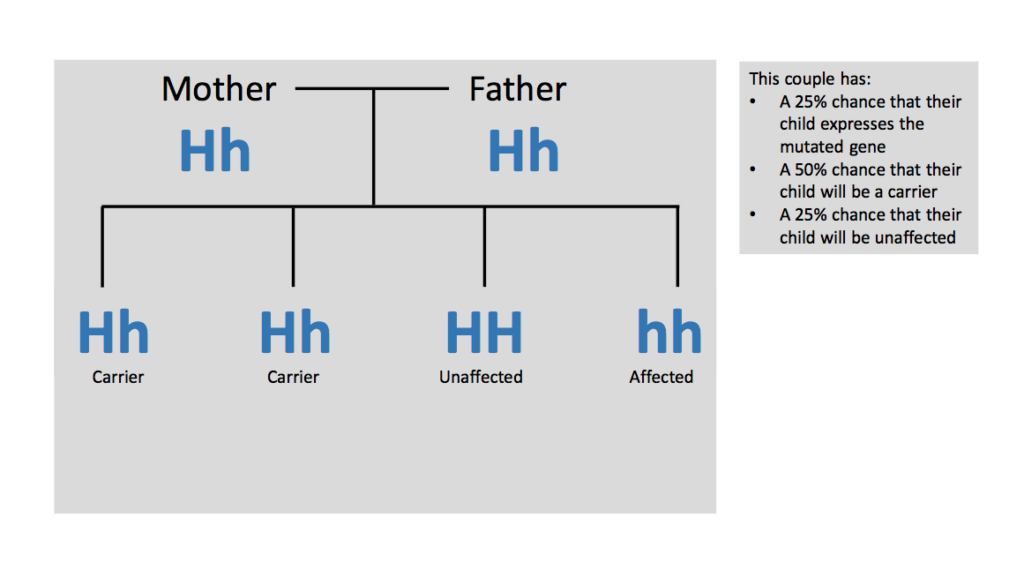
MUPP1 is a protein that helps maintain the "tight junctions" between cells, which act like seals that keep fluids in the right places within the body. It is a planar cell regulator, meaning it aids in the alignment and polarity of cells along a plane of tissue. MPDZ1 is a gene which encodes for the protein MUPP-1; mutations in this protein lead to interferences with MUPP-1’s job as a planar cell regulator. The planar cell polarity (PCP) is important to a number of cellular behaviors. One such behavior in which PCP is needed is ciliary beating in the brain ventricles. Disruptions to this process has been shown to be linked to hydrocephalus. Mutations in MPDZ1 are autosomal-recessive, meaning a person would need to inherit the mutation(s) from both parents to develop the condition.
DAPLE is a protein which works in conjunction with other proteins moderate certain signaling pathways. Signaling pathways are protein pathways which transmit signals from outside of a cell to receptors inside of the cells. These pathways are essential for embryonic development including cell migration and cell polarity. A deficiency in DAPLE would cause numerous problems during embryonic development. For example, wound healing in vivo would be weakened as fibroblast and epithelial cell migration would be impaired. Furthermore, development of certain brain structures may be inhibited. CCDC88C is the gene which encodes for the protein DAPLE. A mutation in CCDC88C has been found to cause autosomal-recessive non-syndromic congenital hydrocephalus due to the consequent problems in the DAPLE protein.
Read about current research into genetic mutations:
Genetic Causes of Congenital Hydrocephalus
Kristopher Kahle, MD, PhD, Yale University
CURRENTLY RECRUITING PATIENTS!
Recruiting: locally, regionally, and nationally
Eligibility: Families affected by congenital (developmental) hydrocephalus
Click here for more information